
North Indian Food Franchises
If there’s one cuisine that truly represents India’s rich culinary heritage, it’s North Indian food. From the smoky aroma of tandoori chicken to the buttery comfort of dal makhani, these dishes have become favourites not just in India but across the world.
And now, more than ever, North Indian food franchises are becoming a booming trend in the restaurant business. Entrepreneurs, investors, and even first-time restaurateurs are increasingly choosing North Indian cuisine as their franchise model — and for good reason.
Let’s understand what’s driving this delicious wave of popularity.
1. Timeless Appeal Across Regions
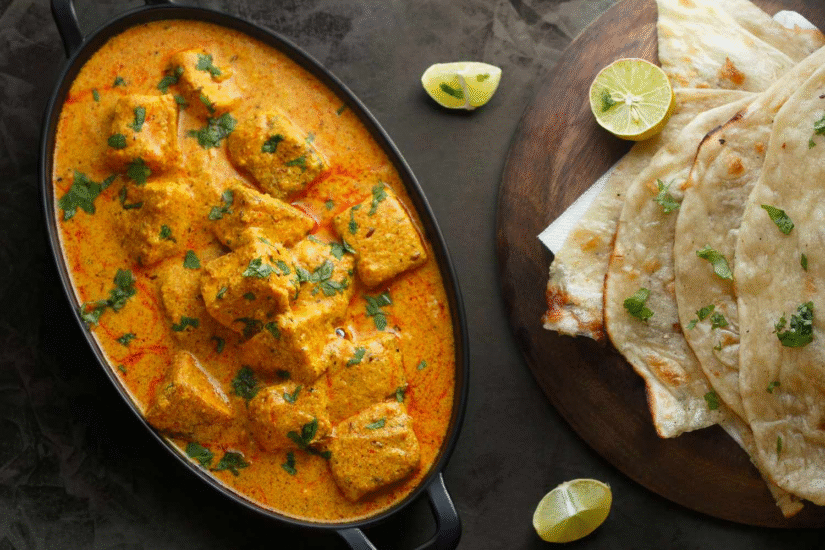
North Indian food has a universal palate appeal. The combination of rich gravies, aromatic spices, and comfort-driven dishes connects with everyone — whether in Delhi, Mumbai, Chennai, or Dubai.
From butter naan and paneer tikka to butter chicken, these dishes are loved across all age groups and communities. That’s why franchises serving authentic North Indian food rarely struggle to find a loyal customer base.
2. The “Comfort Food” Factor
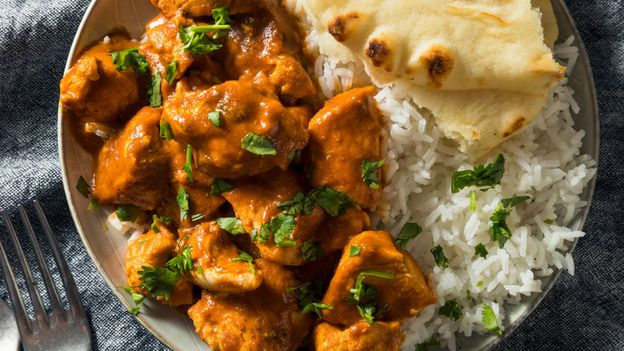
Post-pandemic, people are leaning more toward familiar and comforting meals. While experimental cuisines come and go, North Indian food represents warmth, nostalgia, and indulgence.
Whether it’s a weekday dinner or a festive feast, customers often turn to dal, kebabs, curries, and rotis — staples that feel like home. Franchises built on this emotional connection enjoy consistent footfall and repeat business.
3. Scalability and Menu Versatility
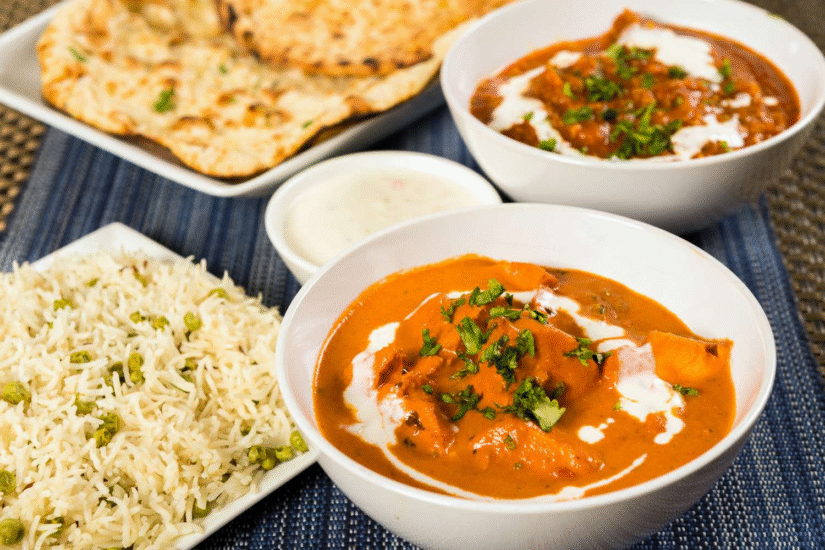
One of the biggest strengths of North Indian cuisine is its flexibility. A single kitchen can cater to fine dining, casual dining, delivery, or even a food-court kiosk model.
The menu can easily be adapted for:
- Express/QSR models (quick service or takeaway)
- Fine-dine experiences (premium decor and full menu)
- Food court setups (compact versions for malls or airports)
This versatility allows North Indian food franchises to scale faster and operate successfully in both metros and tier-2 or tier-3 cities.
4. Strong Margins and High Demand
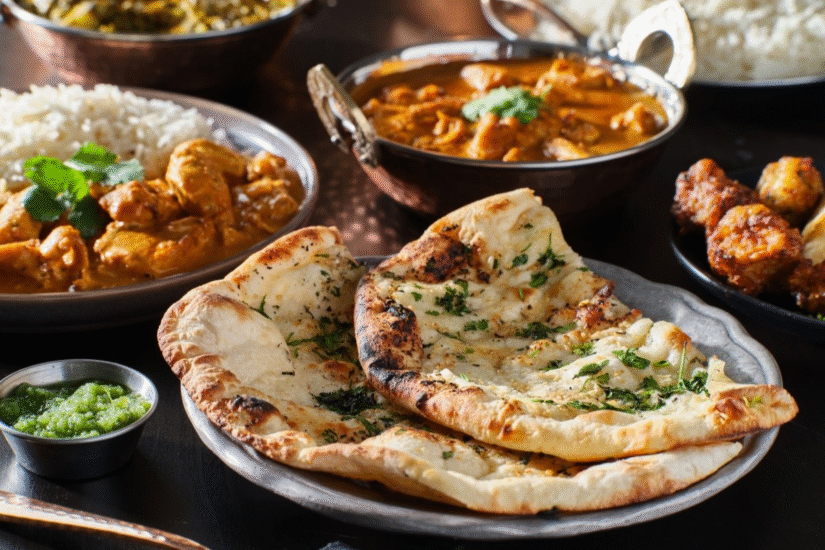
When done right, North Indian food can offer excellent profit margins. Many dishes have cost-effective ingredients but a high perceived value.
For example, lentil-based items like dal makhani or rajma chawal are inexpensive to produce yet command good pricing. Add the growing demand for dine-in and delivery, and you have a business model that’s both resilient and profitable.
5. Global Demand and Export Potential
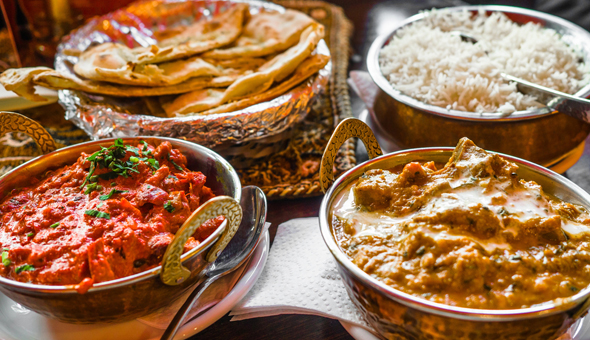
Indian cuisine is gaining immense popularity worldwide — and North Indian dishes lead the charge. Butter Chicken, Naan, and Tandoori Chicken are often the “face” of Indian food abroad.
As Indian communities grow overseas, North Indian food franchises are expanding internationally, opening outlets in the Middle East, Europe, and even North America.
This global familiarity gives Indian brands a huge opportunity for cross-border franchising.
6. The Power of Heritage Brands
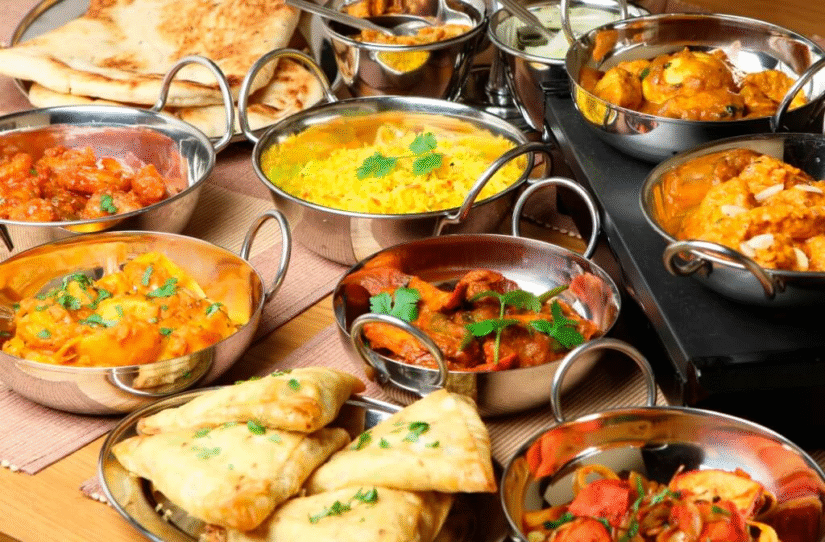
Not all franchises are built the same. Some North Indian food brands have deep historical roots, which add credibility and prestige to their name.
One iconic example is Moti Mahal, a legendary name synonymous with North Indian cuisine.
Moti Mahal: A Legacy North Indian Food Franchise
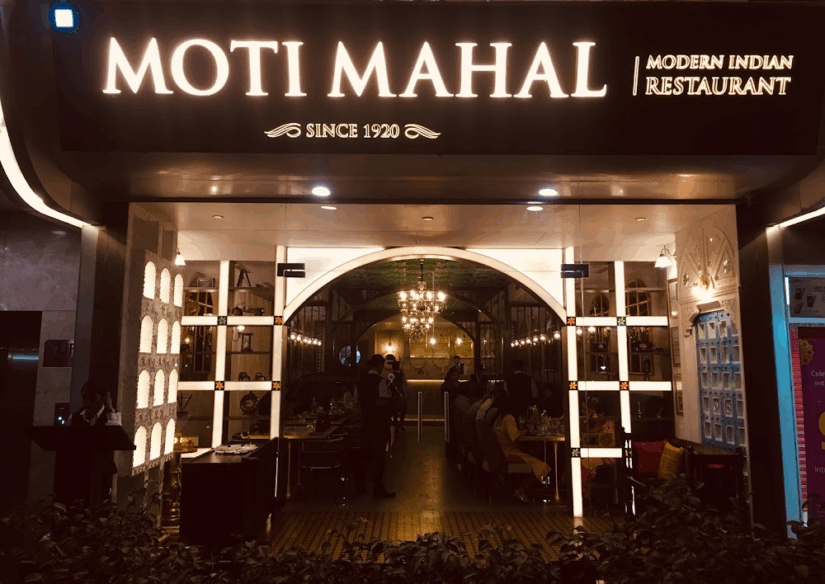
Founded over 100 years ago, Moti Mahal is credited with introducing world-famous dishes like Tandoori Chicken, Butter Chicken, and Dal Makhani.
Today, the brand is expanding across India and internationally through its franchise model. Here’s what makes it stand out in the North Indian food segment:
- Authentic Heritage – A brand that literally shaped Indian restaurant history.
- Multiple Franchise Formats – Fine dining, express, food court, kiosk, and thematic concepts like Tandoori Trail and Chaat Trail.
- FOCM (Franchise-Owned, Company-Managed) Model – You invest; the Moti Mahal team manages daily operations, staffing, and quality control.
- Strong Support System – Centralized supply chain, training, audits, marketing, and technology-driven operations.
- Scalability – Formats suitable for metros, tier-2 cities, and even global expansion.
By combining tradition with modern business structure, Moti Mahal bridges nostalgia and opportunity — making it one of the most trusted North Indian food franchise options today.
👉 Explore franchise details here: Moti Mahal Franchise Opportunities
7. The Role of Modern Consumers
Indian consumers are becoming more experimental but still want authenticity. They value traditional recipes that remind them of family dining, but with the convenience of modern service, hygiene, and presentation.
North Indian food franchises perfectly fit this sweet spot — offering time-tested recipes wrapped in a contemporary dining experience.
8. Delivery-Friendly Cuisine
Another reason for the rise in popularity is that North Indian food travels well. Curries, biryanis, breads, and kebabs remain fresh and flavorful during delivery — making them ideal for cloud kitchens and delivery-based franchise models.
This adaptability ensures franchises can capture both dine-in and delivery segments profitably.
FAQs
Q1: Why are North Indian food franchises more popular than others?
Because they offer familiar flavors, versatile menus, and dishes that appeal across age groups, regions, and income levels.
Q2: What kind of investment does a North Indian restaurant franchise require?
It varies by brand and format — from ₹20–30 lakhs for smaller models to ₹1 crore+ for premium fine-dine outlets.
Q3: Are North Indian franchises suitable for smaller cities?
Yes. Express or food-court formats can do very well in tier-2 and tier-3 cities due to the cuisine’s universal appeal.
Q4: How does Moti Mahal support its franchise partners?
Moti Mahal offers a company-managed operations model, full training, supply-chain management, audits, and branding support, reducing risk for investors.
Q5: Is North Indian food still in demand globally?
Absolutely! Dishes like Butter Chicken, Dal Makhani, and Tandoori Chicken have become international favorites, boosting global franchise potential.
About Monish Gujral
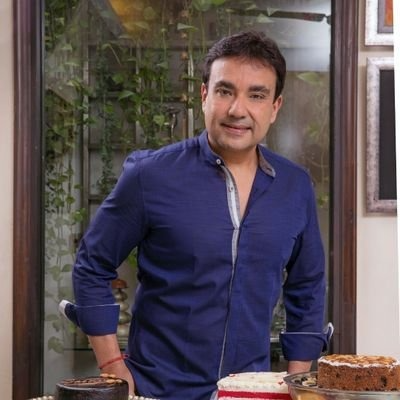
Monish Lal Gujral is the custodian of the Motimahal global chain of restaurants and the Managing Director of MotiMahal Management Services Pvt. Ltd.
Monish is credited with the trailblazing turn-around of Moti Mahal, from being a small but iconic presence in Delhi, to becoming a multi-national corporation that is well on its way to defining how the world eats Indian food. Mark Manuel (Editor Bombay Times) noted journalist says Mark Manuel Editor Bombay times (2009) Wrote “Monish Gujral is one of modern India’s success stories. In my book he is to Delhi and to rest of India what Rahul Akerkar and Moshe shek are to Bombay : a restaurateur –chef who can cook everything on the menu of his popular chain of Motimahal restaurants , a businessman, a food writer and a gourmet . I know him as a restaurateur and a friend : and , I cannot as yet decide whether I like his food better or his friendship .Probably his friendship, because Motimahal food- its butter chicken, Mata ki daal , roti and kulfi , I can get in 72 cities around India : but not Monish`s genuinely hearty and delightful company .For that , I have to wait till he visits Mumbai
Final Thoughts
North Indian food franchises are thriving because they combine heritage, familiarity, and high profitability. As consumers crave authentic yet convenient dining experiences, these brands are perfectly positioned for sustained growth.
If you’re planning to invest in a restaurant franchise that offers timeless demand and strong brand value, a North Indian food franchise like Moti Mahal could be your best bet.
👉 Visit Moti Mahal to explore franchise models, investment details, and how you can be part of a culinary legacy that shaped Indian cuisine.