
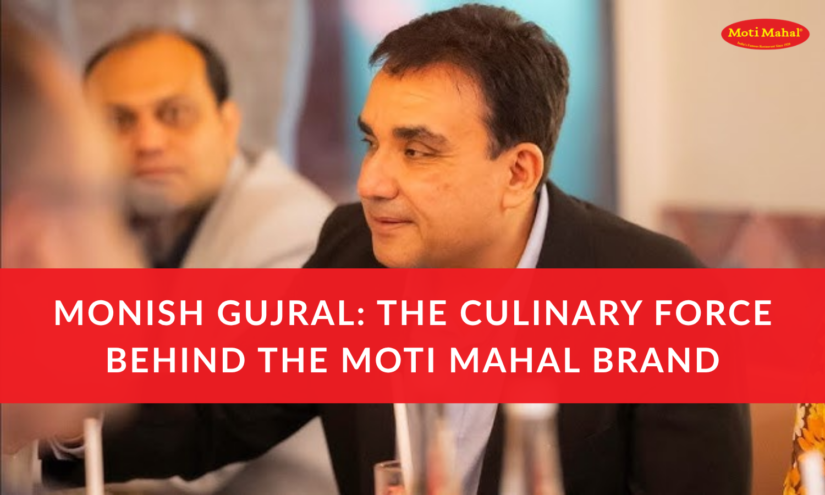
Monish Gujral: The Culinary Force Behind the Moti Mahal Brand
Some brands don’t just grow… they carry a story with them.
And if you’ve ever eaten proper North Indian food—like real butter chicken, not the overly sweet versions—you’ve probably come across Moti Mahal at some point.
But behind that name, there’s someone who played a big role in keeping it relevant today — Monish Gujral.
Not in a loud, flashy way. More in a steady, behind-the-scenes kind of way.
It Was Never Just About Taking Over a Family Business
A lot of people assume that if you come from a well-known brand, things are easy.
Honestly… not really.
In some ways, it’s harder.
Because you’re not just running a business. You’re expected to protect something that already means a lot to people.
Monish Gujral didn’t start Moti Mahal. That legacy came from his grandfather. And that alone brings pressure—because you can’t just change things randomly.
At the same time, you also can’t keep everything stuck in the past.
So the real question becomes:
How do you move forward without losing what made the brand special in the first place?
The Balance Was the Real Work
What’s interesting is that he didn’t try to completely “modernize” everything.
You’ll notice this if you ever visit a Moti Mahal outlet.
The food still tastes… familiar. Like it hasn’t been redesigned for trends.
That’s intentional.
Instead of changing recipes, the focus went more into:
- making kitchens more consistent
- training teams properly
- making sure the same dish tastes the same everywhere
Sounds simple, but anyone in the food business knows—it’s actually one of the hardest things to manage.
Consistency Is Boring… But It Wins
There’s something people don’t really talk about enough.
In restaurants, creativity gets attention. But consistency builds business.
And Monish Gujral seemed to understand that pretty well.
Because at the end of the day:
- Customers don’t just want “good food” once
- They want the same good food every time
That’s where most restaurants struggle when they expand.
One branch is amazing. Another is average. And slowly, trust goes down.
Avoiding that problem takes systems, not just good chefs.
Taking Indian Food Outside India (Without Over-Changing It)
Another thing that stands out is how the brand expanded globally.
Usually, when Indian restaurants go abroad, they tweak dishes a lot—make them milder, sweeter, or just different.
Here, the approach felt a bit different.
Instead of adjusting too much, the idea was more like:
“Let’s serve the food the way it’s meant to be.”
Of course, some adjustments always happen. But the base identity stayed intact.
And weirdly, that authenticity itself becomes the selling point.
The Part Nobody Sees
Running a restaurant brand at scale is not glamorous.
It’s not just about chefs and menus.
It’s things like:
- staff leaving suddenly
- maintaining hygiene daily
- managing suppliers
- controlling costs without cutting quality
And these are daily problems, not one-time issues.
From what you can see in how the brand operates, a lot of effort has gone into solving these practical things… not just branding.
Why Franchising Became Important
At some point, growth becomes a question.
Do you open everything yourself? Or do you expand through partners?
Moti Mahal went the franchise route—but with structure.
Not just:
“Take the name and run your outlet.”
But more like:
- defined processes
- training systems
- ongoing support
This matters a lot because many franchise businesses fail when there’s no real guidance.
For someone new to the restaurant space, having that support can honestly make a big difference.
If You’re Thinking About Entering the Restaurant Business
Starting from scratch sounds exciting… until you actually start.
There are too many moving parts.
That’s why a lot of people now look at franchise options instead. Not because it’s “easy,” but because it’s a bit more structured.
Moti Mahal is one of those brands people consider, mainly because:
- it already has recognition
- the food is established
- systems are in place
If you’re curious about how their franchise works, you can check this:
https://motimahal.in/
No need to rush into anything—but it’s worth understanding how these models work if you’re serious about the food business.
About Monish Gujral
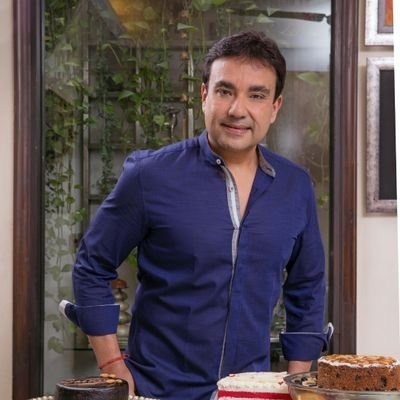
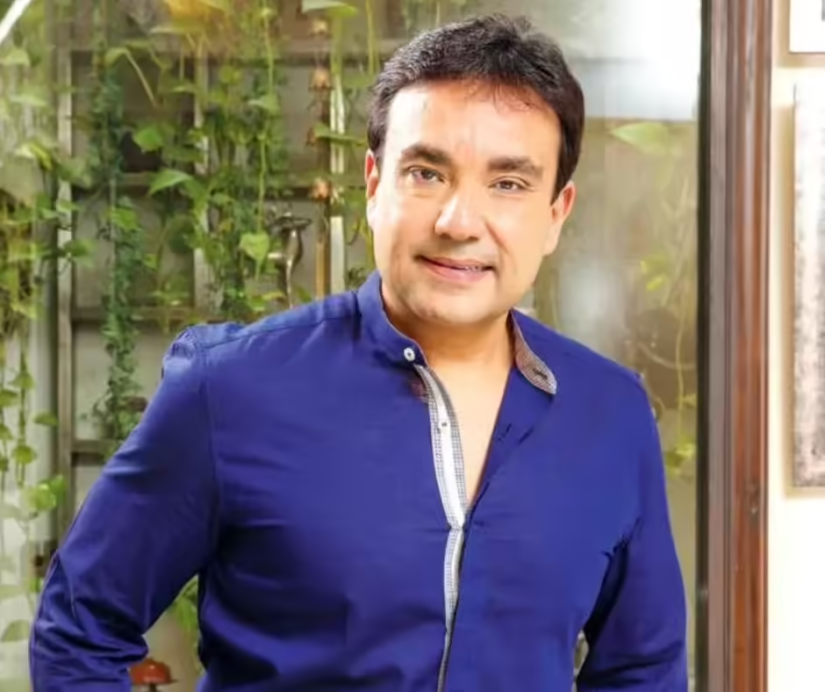
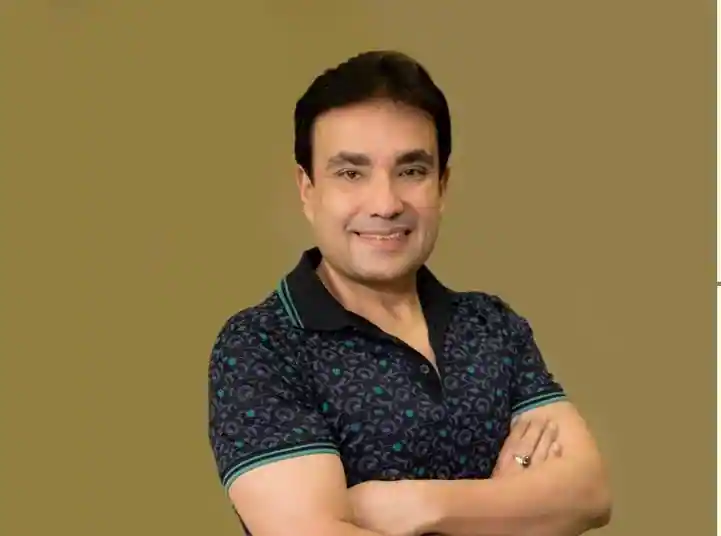
Monish Lal Gujral is the custodian of the Motimahal global chain of restaurants and the Managing Director of MotiMahal Management Services Pvt. Ltd.
Monish is credited with the trailblazing turn-around of Moti Mahal, from being a small but iconic presence in Delhi, to becoming a multi-national corporation that is well on its way to defining how the world eats Indian food. Mark Manuel (Editor Bombay Times) noted journalist Mark Manuel Editor Bombay times (2009) Wrote “Monish Gujral is one of modern India’s success stories. In my book he is to Delhi and to the rest of India what Rahul Akerkar and Moshe Sheikh are to Bombay : a restaurateur –chef who can cook everything on the menu of his popular chain of Motimahal restaurants , a businessman, a food writer and a gourmet . I know him as a restaurateur and a friend : and , I cannot as yet decide whether I like his food better or his friendship .Probably his friendship, because Motimahal food- its butter chicken, Mata ki daal , roti and kulfi , I can get in 72 cities around India : but not Monish`s genuinely hearty and delightful company .For that , I have to wait till he visits Mumbai.
Final Thought (Just Keeping It Real)
Not every success story is dramatic.
Some are just about doing the basics properly… for a long time.
Monish Gujral’s role in Moti Mahal feels like that.
No big noise. No extreme changes.
Just steady work to keep something valuable running… and growing.
And honestly, that’s harder than starting something new.
FAQs
1. Who is Monish Gujral?
Monish Gujral is an Indian restaurateur, celebrity chef, food writer, and blogger who has played a key role in expanding the Moti Mahal brand while preserving its identity.
2. What makes Moti Mahal special?
It’s known for classic North Indian dishes and a legacy that goes back decades, especially for items like butter chicken and dal makhani.
3. Is Moti Mahal still relevant today?
Yes, mainly because it has managed to stay consistent while slowly adapting to modern operations.
4. Can beginners start a Moti Mahal franchise?
In many cases, yes—because the brand provides structure and support, which helps people who are new to the restaurant business.
5. Where can I learn more about their franchise?
You can visit their official website here:
https://motimahal.in/