

The Beginner’s Guide to Running a Successful Food Franchise
If you talk to 10 people who want to start a business, at least 6–7 will say something related to food.
It’s obvious why.
Food feels “safe”:
- people eat every day
- demand is always there
- it looks simple from outside
But the reality is… the food business is one of the most operationally heavy businesses out there.
And that’s exactly why many beginners don’t start from scratch anymore. They go for a franchise.
Still—running a food franchise is not automatic success. It just removes a few unknowns.
Everything else? You still have to figure out.
Let’s clear one big myth first

A franchise does not mean:
- guaranteed profit
- zero effort
- or “brand sambhaal lega sab”
What it actually means is:
👉 You get a tested system
👉 You get a known name
👉 You reduce early mistakes
But execution is still 100% yours.
Why food franchises attract beginners
There are a few real reasons behind this:
1. You skip the “trial and error” phase
Creating a menu from scratch is not easy.
Pricing it correctly? Even harder.
With a franchise, this part is already figured out.
2. Brand trust already exists
When someone sees a known name like Moti Mahal, they don’t think too much before trying.
That first visit becomes easier.
If you open a new brand, you have to earn that trust from zero.
3. Systems are already built
Things like:
- kitchen processes
- portion sizes
- sourcing
- basic SOPs
are already structured.
This saves time… but only if you follow them properly.
What beginners usually underestimate
Most first-time owners focus on:
- interiors
- branding
- launch day
But ignore:
- daily operations
- staff management
- cost control
And that’s where problems begin.
Because restaurants don’t fail in one day.
They fail slowly.
Daily operations: the part nobody shows on Instagram
Let me paint a more real picture.
A normal day might look like:
- one staff member doesn’t show up
- delivery orders pile up
- customer complains about delay
- supplier sends inconsistent quality
- kitchen prep is late
- gas cylinder issue suddenly
None of this is “big”… but all of it matters.
Running a food franchise is basically solving small problems all day.
Location strategy (not just “prime area”)
People still make this mistake.
They think:
👉 “Premium area = success”
Not always.
You need functional location, not just premium.
Ask practical questions:
- Who will eat here daily?
- Office crowd or families?
- Lunch heavy or dinner heavy?
- Delivery demand strong?
- Can people stop easily or pass by?
Also:
High rent can quietly destroy your margins.
Menu understanding (don’t blindly depend)

Even if it’s a franchise, understand:
- which items sell more
- which items give better margins
- what customers repeat order
- what gets wasted
Because not everything on menu performs equally.
Small adjustments in focus can improve revenue without changing anything big.
Staff reality (this is where stress comes)
Let’s be very real here.
Restaurant staff challenges are constant.
- chefs leave
- helpers rotate
- service quality changes
So instead of expecting “perfect staff”, build:
👉 a system where even average staff can perform decently
That means:
- clear instructions
- simple processes
- regular checks
Because consistency is more important than brilliance.
Cost control (this decides survival)
Revenue feels exciting. Costs decide reality.
Track these regularly:
- food cost %
- daily wastage
- staff cost vs sales
- rent vs revenue
- discount impact
Many outlets do decent sales… but still struggle because costs are not controlled.
Customer behavior (this part changes everything)
There are 2 types of customers:
1. First-time customers
They come because of brand, curiosity, or ads
2. Repeat customers
They come because of experience
Your goal is not just getting customers.
It’s converting them into repeat ones.
And that depends on:
- consistency
- speed
- cleanliness
- small details
Online presence is now part of operations

Earlier, restaurants could ignore this.
Now they can’t.
People check:
- ratings
- photos
- reviews
- comments
And here’s something important:
👉 You don’t need “perfect marketing”
You need consistent visibility
Simple things work:
- real food videos
- kitchen prep clips
- customer reactions
- honest posts
Growth doesn’t happen fast (and that’s okay)
Many beginners expect:
Month 1 → full rush
Month 2 → profit
That rarely happens.
Actual pattern looks like:
- first 1–2 months: adjustment
- next few months: stability
- later: gradual growth
If you survive the early phase properly, things improve.
Choosing the right brand still matters
Even though execution is key, brand still gives you a base.
That’s why people explore established names like Moti Mahal.
Because:
- people already recognize it
- menu is familiar
- trust is pre-built
This reduces initial friction.
If you want to explore their model, you can check here:
https://motimahal.in/
Don’t decide fast. Just understand first.
What actually makes a food franchise successful
If we remove all noise, it comes down to:
- consistent food
- stable staff
- controlled costs
- right location
- active owner involvement
That’s it.
No shortcuts.
About Monish Gujral
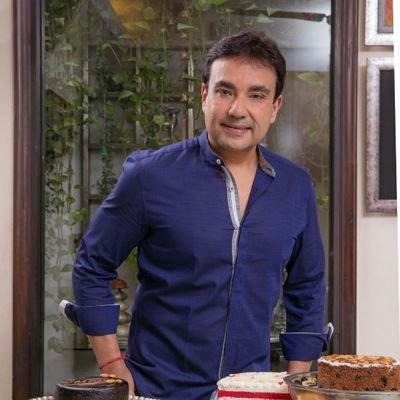
Monish Lal Gujral is the custodian of the Motimahal global chain of restaurants and the Managing Director of MotiMahal Management Services Pvt. Ltd.
Monish is credited with the trailblazing turn-around of Moti Mahal, from being a small but iconic presence in Delhi, to becoming a multi-national corporation that is well on its way to defining how the world eats Indian food. Mark Manuel (Editor Bombay Times) noted journalist Mark Manuel Editor Bombay Times (2009) Wrote “Monish Gujral is one of modern India’s success stories. In my book he is to Delhi and to the rest of India what Rahul Akerkar and Moshe Sheikh are to Bombay : a restaurateur –chef who can cook everything on the menu of his popular chain of Motimahal restaurants , a businessman, a food writer and a gourmet . I know him as a restaurateur and a friend : and , I cannot as yet decide whether I like his food better or his friendship .Probably his friendship, because Motimahal food- its butter chicken, Mata ki daal , roti and kulfi , I can get in 72 cities around India : but not Monish`s genuinely hearty and delightful company .For that , I have to wait till he visits Mumbai.
Final thought (simple, not dramatic)
Food business is not about doing something extraordinary.
It’s about doing normal things properly… every day.
If you can handle routine, pressure, and small problems consistently—you can build something solid.
If not, even a good franchise won’t help much.
FAQs
1. Is a food franchise safe for beginners?
Safer than starting from scratch, but still needs daily effort and involvement.
2. How much investment is required?
Depends on brand, city, and size. Always confirm directly.
3. Do I need food industry experience?
Not necessary, but you must learn operations quickly.
4. How long before it becomes profitable?
There’s no fixed timeline. It depends on execution, location, and cost control.
5. Why do people consider Moti Mahal franchise?
Because it’s a legacy brand with strong recognition, which helps attract customers from the start.