

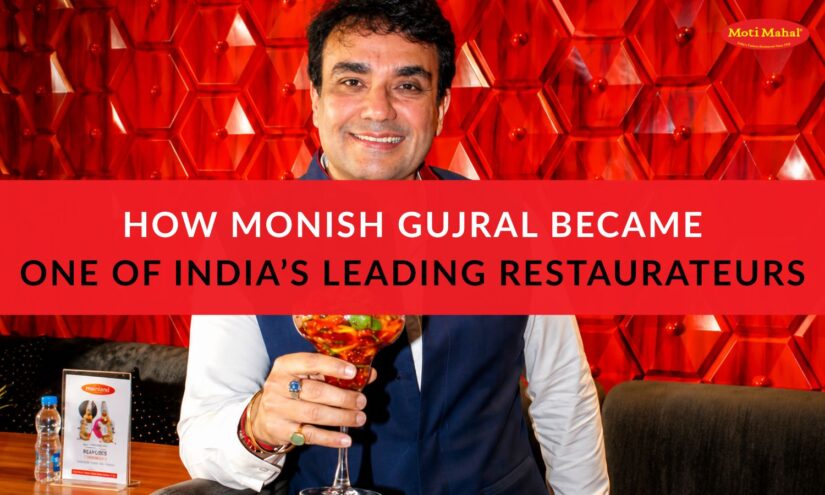
How Monish Gujral Became One of India’s Leading Restaurateurs
In India’s food industry, new restaurant brands keep coming every year.
Some become trendy for a few months.
Some grow quickly because of social media.
And some disappear before people even remember the name.
But then there are a few names that stay relevant for decades.
Not because of hype.
Because of consistency.
One of those names is Monish Gujral.
Most people know him because of Moti Mahal, but his journey is much bigger than simply running a restaurant brand. Over the years, he has built a reputation as a restaurateur, author, food historian, entrepreneur, and someone deeply connected to Indian culinary heritage.
And honestly, what makes his journey interesting is that it didn’t happen overnight.
Growing Up Around Food, Legacy & Responsibility
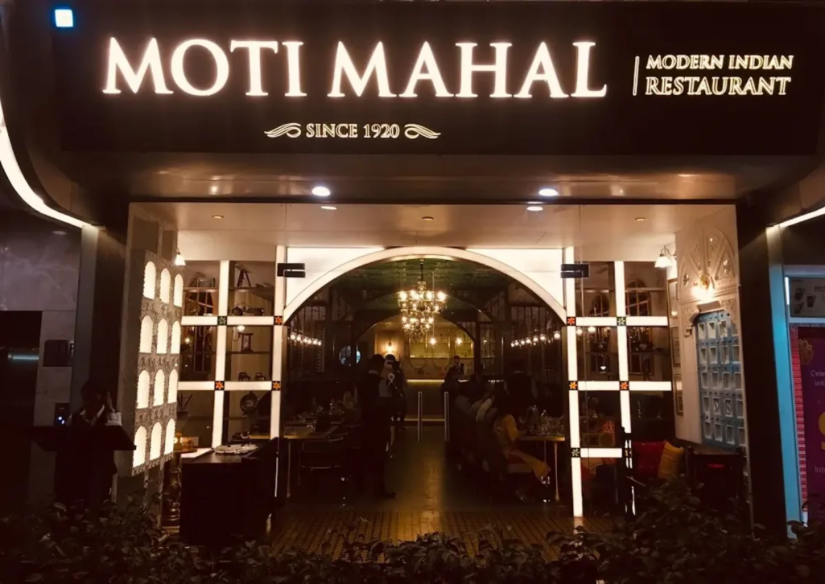
When people hear “legacy business,” they often assume everything becomes easy for the next generation.
But in the restaurant industry, legacy can also create pressure.
Because customers already expect something.
The Moti Mahal name already carried huge importance in Indian cuisine long before Monish Gujral stepped into the business. The brand had already become famous for iconic dishes like:
- butter chicken
- dal makhani
- tandoori cuisine
These dishes became part of Indian food culture itself.
So the challenge wasn’t:
👉 “How to create a brand?”
The challenge was:
👉 “How to protect and grow something people already emotionally connect with?”
That’s much harder.
Understanding That Food Business Is More Than Recipes
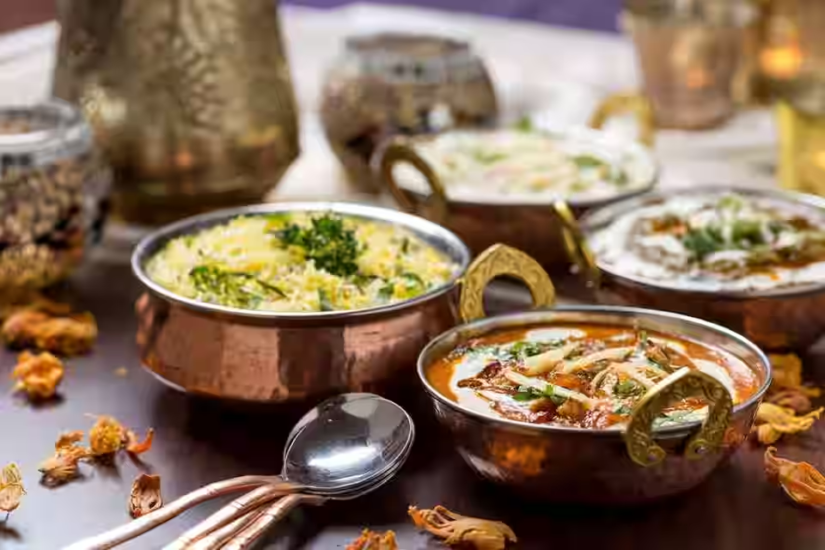
A lot of people think successful restaurateurs become successful because of recipes alone.
But the restaurant business is much deeper than that.
You have to understand:
- customer psychology
- consistency
- service
- operations
- expansion
- branding
- staff management
- food cost
- changing dining habits
Over time, Monish Gujral seems to have understood that food brands survive not only because dishes taste good—but because the overall experience stays reliable.
And reliability is difficult to maintain at scale.
Taking Moti Mahal Beyond a Single Restaurant

One major reason Monish Gujral became recognized as a leading restaurateur is because he didn’t keep Moti Mahal limited to one famous location.
Instead, the focus shifted toward:
- expansion
- systems
- global presence
- franchise structure
This changed the brand from a historic restaurant into an organized restaurant business.
That transition is not simple.
Because once multiple outlets open, the biggest problem becomes:
👉 keeping everything consistent
Customers expect the same experience everywhere.
And if one outlet fails badly, it affects the image of the entire brand.
Expanding Through Franchising

One of the biggest moves in the brand’s growth has been franchising.
Now honestly, franchising sounds easy when people talk about it online.
But restaurant franchising is complicated.
Because you’re not only expanding locations—you’re expanding responsibility.
Every franchise outlet needs:
- kitchen systems
- staff training
- quality checks
- operational standards
- customer service consistency
Without systems, franchising becomes messy very quickly.
From the way Moti Mahal has grown, it feels like the expansion approach has been more controlled and structured rather than simply opening outlets everywhere for numbers.
And that usually works better long-term.
Building Global Recognition for Indian Cuisine
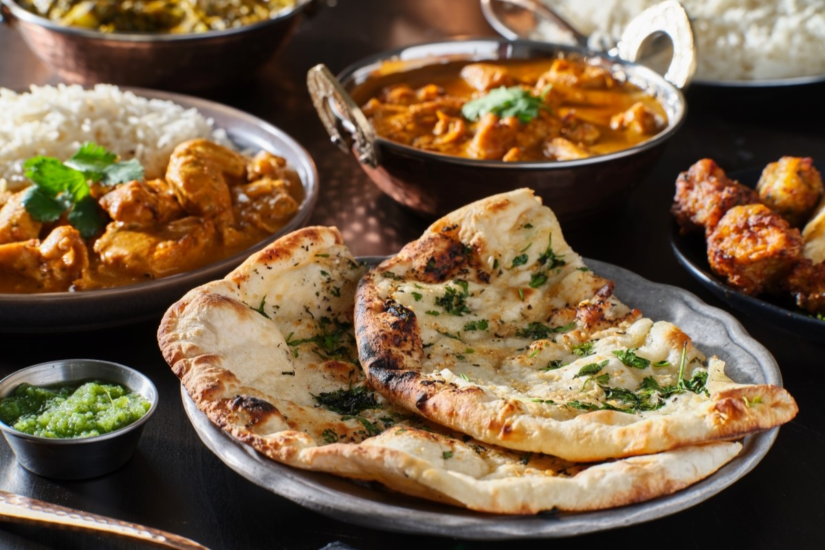
Another reason Monish Gujral stands out is because he helped position Indian cuisine globally.
This matters because for many years, Indian food abroad was often simplified into only a few common dishes.
But Indian cuisine is far more layered than that.
Through restaurant expansion, books, media appearances, and culinary events, he helped present Indian food as:
- rich in history
- technically skilled
- regionally diverse
- globally relevant
That shift matters.
Because it changes how international audiences view Indian cuisine.
His Work Beyond Restaurants
One interesting thing is that Monish Gujral did not limit himself only to restaurant operations.
He also became known for:
- food writing
- cookbooks
- television appearances
- culinary storytelling
And honestly, this helped strengthen the brand further.
Because people connected not only with the restaurants, but also with the story behind the food.
That emotional connection is powerful in hospitality business.
Why Storytelling Matters in Food Business
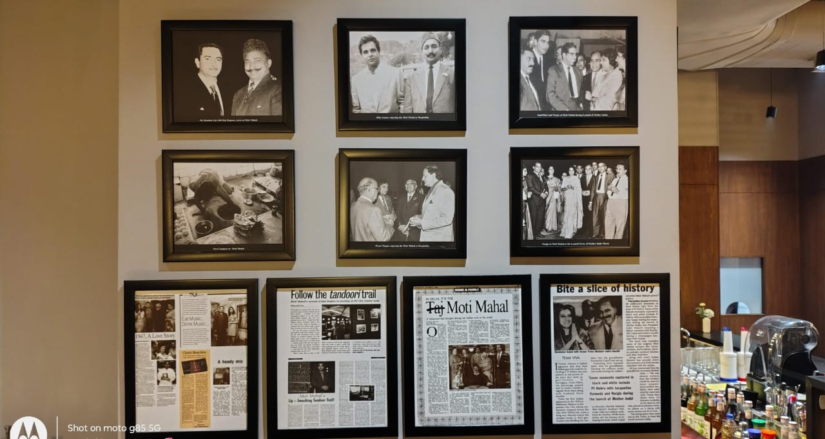
This is something many restaurant owners still ignore.
People don’t only remember taste.
They remember:
- stories
- history
- familiarity
- emotions attached to food
Moti Mahal already had a strong story connected with Indian culinary history.
Monish Gujral seems to have understood the value of preserving and communicating that story instead of replacing it with modern trends completely.
That balance helped the brand stay relevant while still feeling authentic.
Adapting Without Losing Identity
One difficult thing for legacy brands is adapting to changing customer behavior.
Today customers expect:
- better ambience
- delivery options
- digital presence
- faster service
- social media visibility
But if a legacy brand changes too aggressively, it risks losing identity.
The smarter approach is gradual evolution.
And that’s probably one reason the Moti Mahal brand has remained recognizable even while expanding.
Restaurant Business Looks Glamorous… But Isn’t Easy
This part is important.
From outside, restaurant success looks exciting.
But behind the scenes:
- margins can be tight
- operations are stressful
- staff issues are constant
- customer expectations keep changing
To survive long-term in this industry requires patience more than hype.
And honestly, lasting decades in the food business itself says a lot.
Why Entrepreneurs Still Trust Legacy Brands
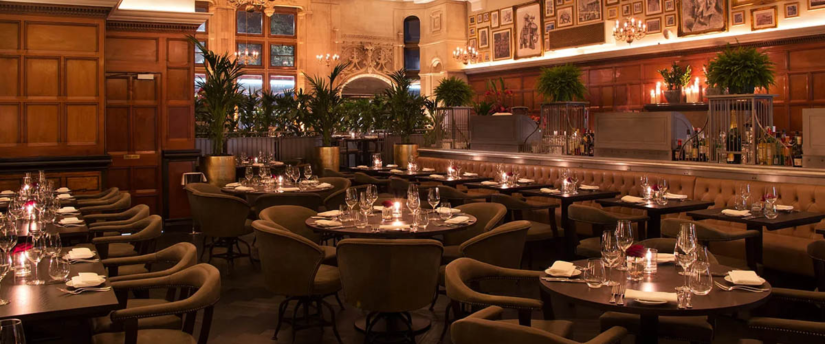
Today there are countless restaurant startups.
Some become viral very fast.
But legacy brands still attract investors because they already have:
- customer trust
- familiarity
- proven demand
- operational history
That’s why entrepreneurs exploring food franchises still look toward brands like Moti Mahal.
Because starting completely from zero carries much higher uncertainty.
Thinking About Entering the Food Business?
If you’ve been considering restaurant franchising, it’s always better to study brands that already have strong systems and market recognition.
Moti Mahal offers:
- established brand value
- franchise support
- operational structure
- legacy customer trust
You can explore their franchise opportunities here:
Take your time, ask questions, and understand the business properly before investing.
Final Thoughts
What makes Monish Gujral’s journey interesting is not just expansion.
It’s the ability to protect a historic food legacy while still growing it in modern markets.
That balance is rare.
Many brands either stay stuck in the past or lose identity while expanding too fast.
Somewhere in between those two extremes is where long-term restaurant brands survive.
And that’s probably why Monish Gujral became one of India’s leading restaurateurs.
FAQs
Monish Gujral is an Indian restaurateur, author, celebrity chef, and entrepreneur associated with the Moti Mahal brand.
Moti Mahal is known for iconic North Indian dishes like butter chicken and dal makhani and for its contribution to Indian culinary history.
Through structured franchising, operational systems, global expansion, and preserving the original identity of the cuisine.
It reduces some risks because the brand and systems already exist, but execution and operations still require serious involvement.