

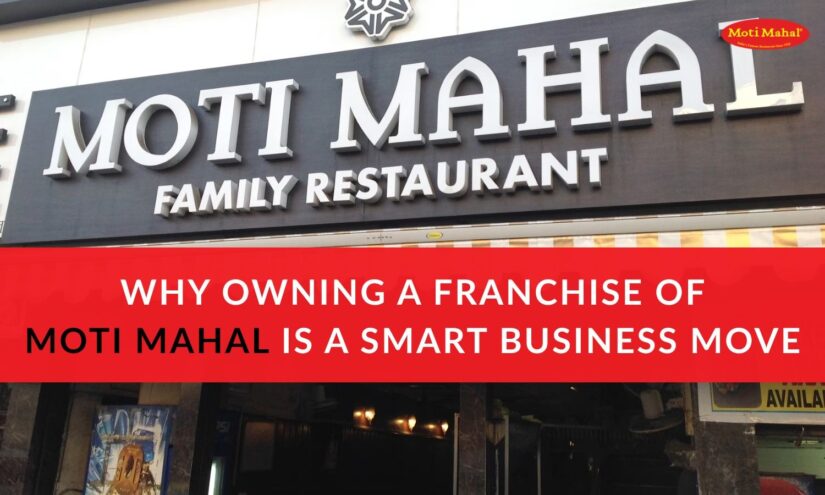
Why Owning a Franchise of Moti Mahal Is a Smart Business Move
Starting a restaurant business sounds exciting to almost everyone in the beginning. People imagine a busy dining space, customers enjoying food, good profits, and a brand name slowly becoming popular in the city. But once someone actually enters the food business, they realize it is much more complicated than it appears from outside.
A restaurant is not only about serving good food. It is a daily operations business. Every single day involves managing staff, controlling food quality, handling suppliers, maintaining hygiene, dealing with customer feedback, and making sure expenses do not go out of control. This is why many people who want to enter the food industry today prefer franchise businesses instead of starting completely from scratch.
Among the well-known names in the Indian restaurant industry, Moti Mahal continues to stand out because it already carries something that new businesses take years to build — customer trust and recognition.
For many entrepreneurs, owning a Moti Mahal franchise feels like a smarter and more stable starting point compared to launching an unknown restaurant brand.
The Restaurant Industry Has Become More Competitive Than Before
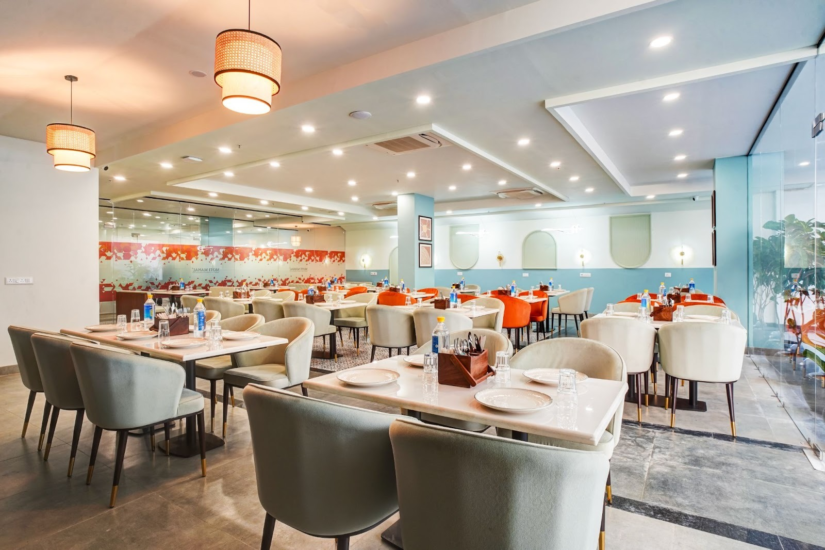
Ten or fifteen years ago, opening a restaurant in a good location was often enough to attract customers. Today things work very differently. Customers now have endless options available to them. Every area has multiple cafes, cloud kitchens, family restaurants, delivery brands, and quick-service outlets competing for attention.
At the same time, customer expectations have also increased. People are no longer judging restaurants only on taste. They notice:
- ambience
- service quality
- online reviews
- hygiene standards
- food presentation
- delivery experience
- social media presence
This creates pressure for new restaurant owners because they are trying to build everything at once.
When someone starts an independent restaurant, they need to create:
- brand identity
- menu planning
- kitchen systems
- marketing strategy
- customer trust
all from zero.
This process takes time, money, and patience.
That is why franchise businesses have become attractive to first-time entrepreneurs who want more structure and lower uncertainty.
Why Brand Recognition Matters So Much in Food Business
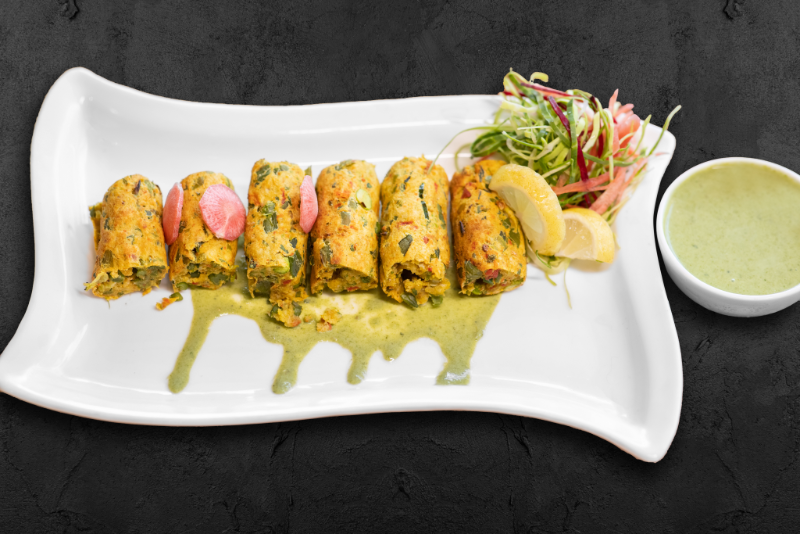
One of the biggest challenges for any new restaurant is convincing customers to try it for the first time. Even if the food is excellent, customers usually hesitate because they have no previous experience with the brand.
This is where established names make a major difference.
When people hear the name Moti Mahal, they already associate it with:
- North Indian cuisine
- butter chicken
- tandoori food
- family dining
- heritage recipes
That familiarity creates immediate comfort.
Customers are naturally more willing to enter a restaurant they already recognize instead of taking a risk on an unknown place. In the food industry, this customer trust has huge value because building it independently can take years.
For franchise owners, this means they are not starting from zero awareness. The brand already carries market recall, which reduces one of the hardest parts of restaurant growth.
Legacy Brands Have an Advantage Most New Restaurants Don’t
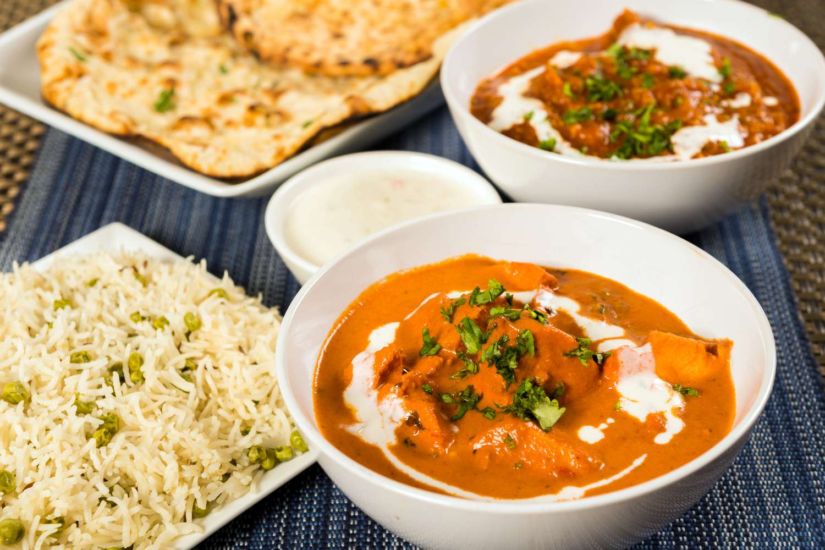
Many modern food businesses become popular quickly because of trends or social media hype. Some of them perform well for a short period and then disappear once customer interest changes.
Legacy brands operate differently.
They survive for decades because they build emotional familiarity with customers over time. Families remember dining there. Customers connect the food with memories, celebrations, and comfort. This emotional connection is difficult to create artificially through advertising.
This is one reason why heritage restaurant brands continue to remain relevant despite changing food trends.
For franchise investors, this stability matters. A business built on long-term trust generally feels more secure than one dependent entirely on short-term trends.
Franchising Helps Reduce Beginner Mistakes
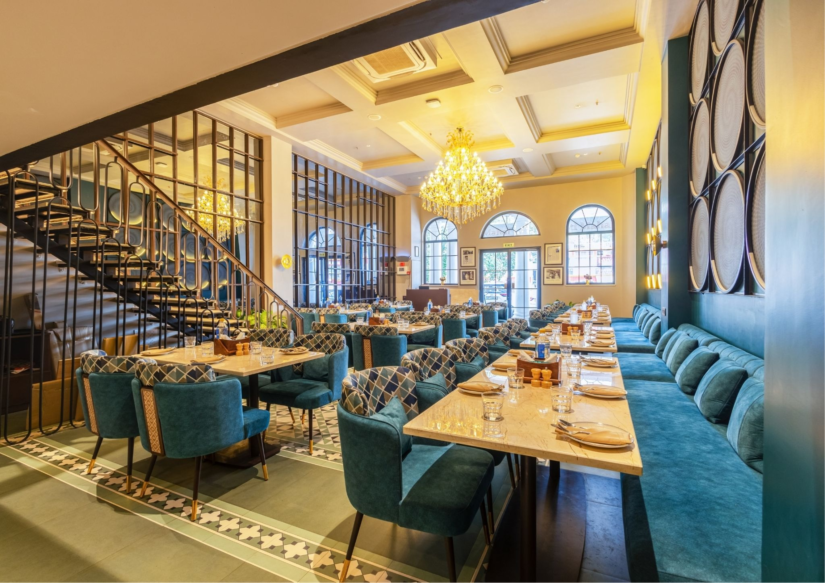
Many people entering the restaurant business for the first time underestimate how complicated operations can become. They often make expensive mistakes in areas such as:
- menu size
- food costing
- kitchen layout
- inventory management
- staffing
- pricing strategy
Sometimes even small operational mistakes create major financial problems later.
With franchise models, many of these systems are already tested and structured. This includes:
- kitchen workflows
- standard recipes
- vendor systems
- operational guidelines
- staff training processes
This does not guarantee success, but it reduces the amount of trial and error beginners usually face while learning the industry.
Having an existing structure allows franchise owners to focus more on execution and management instead of building every system themselves from scratch.
Indian Cuisine Continues to Have Strong Market Demand
Another important reason why Moti Mahal remains attractive as a franchise opportunity is the category itself.
Indian cuisine has consistent demand across:
- dine-in restaurants
- family dining
- food delivery
- catering
- celebrations
Unlike some trend-based food categories, North Indian cuisine remains part of regular eating habits for many people.
Dishes like:
- butter chicken
- dal makhani
- kebabs
- naan
- biryani
- tandoori platters
continue to attract repeat customers because they are already deeply familiar to Indian audiences.
This repeat demand creates stronger long-term business potential compared to concepts that depend only on temporary trends.
Restaurant Success Depends Heavily on Operations
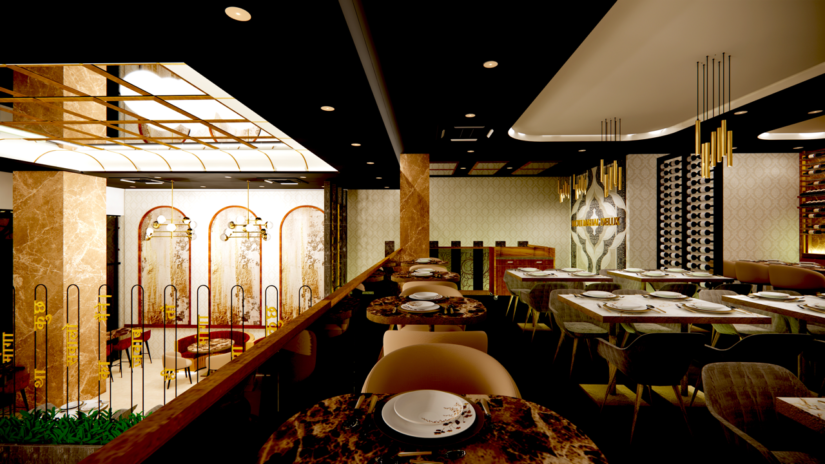
One thing many outsiders misunderstand is that restaurant success is not based only on cooking skills.
The real backbone of restaurant business is operational discipline.
A successful outlet requires:
- consistent food quality
- proper hygiene systems
- controlled food wastage
- trained staff
- inventory monitoring
- customer handling
- fast kitchen coordination
If these systems break down, customer experience suffers quickly.
This is where established franchise models become valuable because they already provide operational frameworks designed through years of practical experience.
For first-time restaurant owners, this guidance can prevent many avoidable problems.
The Rise of Food Delivery Has Changed Restaurant Business
The restaurant industry today is very different from what it was earlier because delivery platforms now play a major role in revenue.
Customers regularly order food through:
- Swiggy
- Zomato
- online delivery apps
This means restaurants are no longer judged only by dine-in experience. Packaging quality, delivery timing, ratings, and online reviews now directly affect sales.
Managing this shift can be difficult for independent restaurants trying to build systems from scratch.
Established franchise brands usually adapt faster because operational systems are already more organized and scalable.
Owning a Franchise Still Requires Serious Involvement
It is important to understand that a franchise is not passive income.
Some people assume that buying a franchise automatically guarantees smooth business operations. In reality, restaurant ownership still requires daily involvement.
Owners still need to:
- supervise staff
- monitor customer feedback
- maintain quality standards
- handle operational challenges
- manage finances carefully
The franchise provides structure and brand strength, but execution still depends heavily on the owner’s involvement and discipline.
This is true for every successful food business.
Why Many Entrepreneurs Continue Exploring Moti Mahal Franchises
Despite increasing competition in the food industry, legacy restaurant brands still attract attention because they already carry long-term customer trust.
Moti Mahal continues to remain relevant because:
- the brand is already recognized
- Indian cuisine demand remains strong
- the food category has repeat customer potential
- the legacy creates credibility
For many first-time entrepreneurs, this creates a more stable entry point into the restaurant industry.
Instead of spending years building awareness from zero, franchise owners can focus more on operations and customer experience from the beginning.
Thinking About Starting a Restaurant Franchise?
If you are planning to enter the food business, it is always better to properly understand the franchise model before investing. Study the operations, understand the market, evaluate location carefully, and ask practical questions about support systems and business expectations.
Moti Mahal offers:
- strong brand recognition
- franchise support
- operational systems
- established cuisine category
- legacy customer trust
You can explore more about their franchise opportunities here:
Taking time to study the business carefully usually leads to better long-term decisions.
Final Thoughts
Owning a restaurant franchise is not an easy shortcut to success. The food industry remains demanding, competitive, and operationally intensive.
However, compared to building a restaurant brand completely from scratch, franchises offer a stronger foundation because the systems, recognition, and customer familiarity already exist.
This is why many entrepreneurs continue exploring established brands like Moti Mahal when entering the food industry.
Because in restaurant business, building trust takes years.
Some brands have already done that work.
FAQs
Moti Mahal already has strong customer recognition, legacy value, and association with authentic North Indian cuisine.
Franchising reduces some business uncertainty because branding and operational systems already exist, but success still depends on execution.
Not necessarily, but active involvement and willingness to learn restaurant operations are important.
Legacy brands already have customer trust, familiarity, and emotional connection built over many years.