

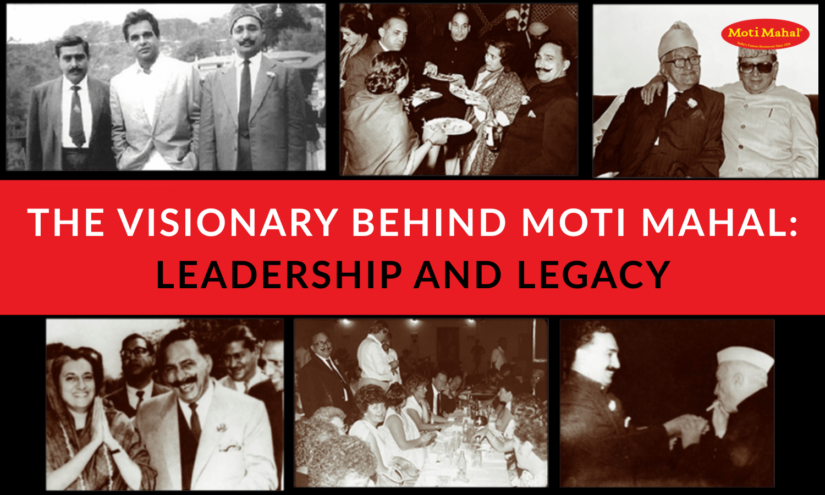
The Visionary Behind Moti Mahal: Leadership and Legacy
Some restaurant brands become popular because of a successful marketing campaign. Others gain attention because they follow a trend at the right time. But very few brands manage to stay relevant across generations.
When people talk about iconic names in Indian cuisine, Moti Mahal is one of those rare brands that continues to hold its place even after decades. The reason is not just the food. It is the story, the heritage, and the people who have worked to preserve that legacy while adapting it for changing times.
At the center of this journey is Monish Gujral, a restaurateur, author, food writer, celebrity chef, and entrepreneur who has played a significant role in taking the Moti Mahal legacy forward. While many people recognize the brand for its famous dishes, fewer understand the leadership and vision that helped transform a historic restaurant name into a globally recognized culinary brand.
This is the story of leadership, legacy, and the ongoing effort to keep one of India’s most celebrated food brands relevant in a rapidly changing world.
Carrying Forward a Historic Legacy
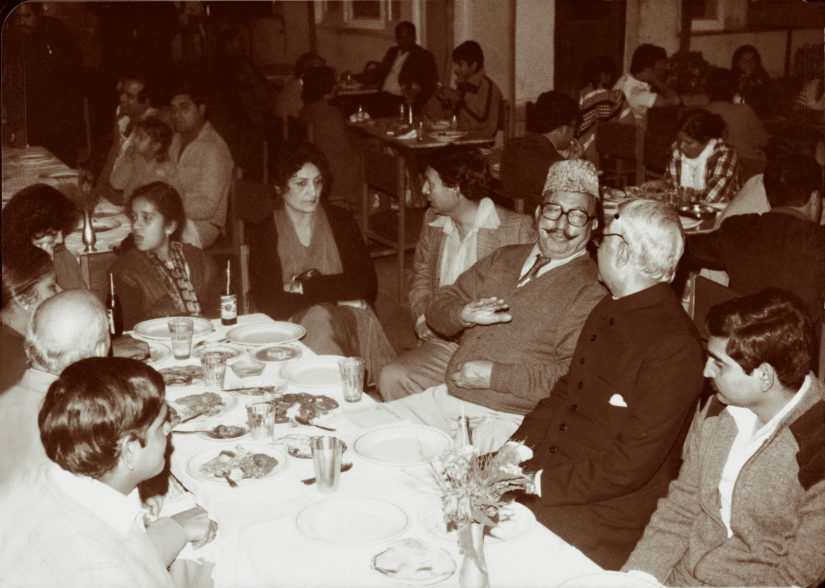
When people inherit a family business, they often face a unique challenge. The business already has a reputation, a history, and customer expectations attached to it. While that can be an advantage, it can also create pressure because every decision is compared to the past.
For Moti Mahal, that history is extraordinary. The brand occupies a special place in Indian culinary history and is associated with dishes that have become part of everyday dining culture across the country. Generations of customers have grown up enjoying these flavors, and the restaurant’s legacy extends far beyond a single location.
For Monish Gujral, the responsibility was not simply to manage an existing business. The challenge was to preserve what made the brand special while ensuring it continued to grow and remain relevant for future generations.
That balance between preservation and progress is often what separates long-lasting brands from those that slowly fade away.
Understanding That Food Is About More Than Recipes
One of the most interesting aspects of successful restaurant leadership is that it goes far beyond cooking.
Many people assume restaurants succeed because of recipes alone. While food quality is essential, long-term success usually depends on many other factors including consistency, customer experience, operations, training, branding, and the ability to adapt to changing consumer behavior.
Monish Gujral has often been associated with a broader view of the food business. Rather than focusing solely on dishes, he has helped position Moti Mahal as a brand that represents a larger culinary story.
Customers may initially visit a restaurant for the food, but they often return because of the experience and emotional connection they develop with the brand.
Preserving Indian Culinary Heritage
One of the challenges facing traditional cuisines today is the pressure to constantly modernize.
Food trends change quickly. New concepts appear every year, and social media often rewards novelty over tradition. In this environment, many heritage brands struggle to maintain their identity while trying to appeal to newer audiences.
What makes the Moti Mahal journey interesting is that the focus has remained on preserving authenticity while still evolving with the times.
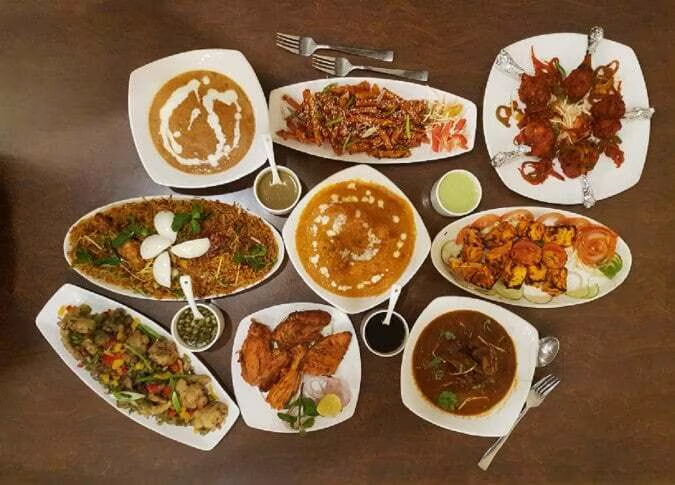
The recipes, cooking techniques, and culinary traditions that helped establish the brand continue to play an important role. At the same time, the business has adapted to changing customer expectations, new dining formats, and international markets.
This approach allows the brand to remain connected to its roots without becoming stuck in the past.
Building a Global Presence
Leadership is often measured by the ability to think beyond immediate success.
While Moti Mahal already enjoyed strong recognition in India, expanding a food brand internationally requires a completely different level of planning and execution.
Every market has different customer preferences, operational challenges, and competitive environments. Expanding successfully means finding ways to maintain authenticity while also appealing to local audiences.
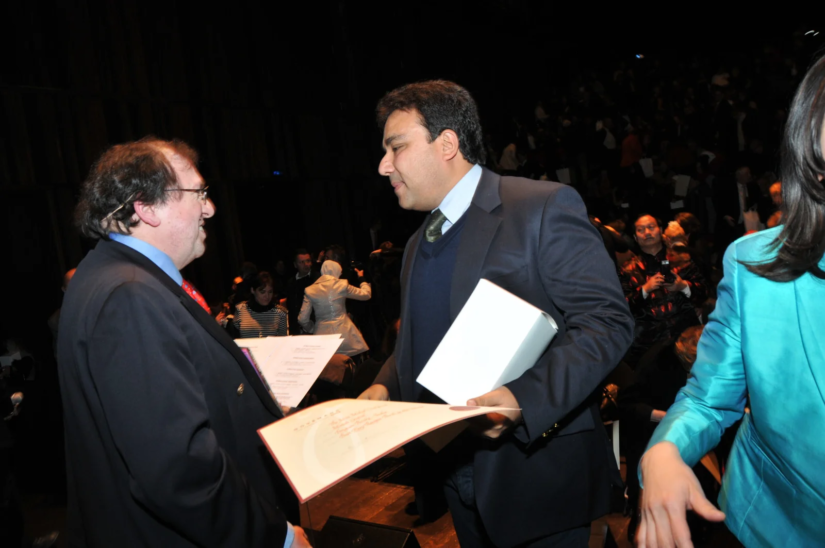
Under Monish Gujral’s leadership, Moti Mahal has expanded beyond India and introduced international diners to authentic North Indian cuisine. This global presence has helped strengthen the brand’s reputation while contributing to the growing popularity of Indian food around the world.
Today, Indian cuisine enjoys recognition in markets that once had limited exposure to its diversity. Brands like Moti Mahal have played an important role in that journey.
More Than a Restaurateur
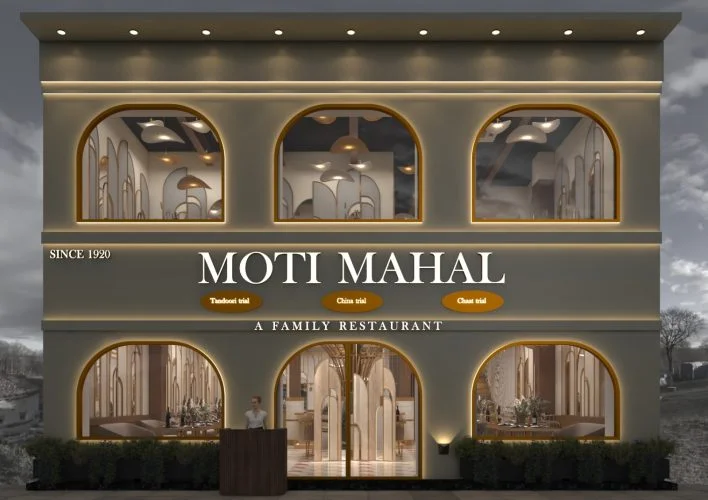
One reason Monish Gujral stands apart from many restaurant entrepreneurs is that his work extends beyond operating restaurants.
Over the years, he has established himself as:
- A restaurateur
- A food writer
- A cookbook author
- A celebrity chef
- A culinary ambassador
- A public speaker
Through books, articles, media appearances, and culinary events, he has consistently contributed to conversations about Indian food and its cultural significance.
This broader involvement has helped strengthen the connection between the Moti Mahal brand and the larger story of Indian cuisine.
Instead of simply promoting a restaurant, he has helped promote an entire culinary heritage.
The Importance of Storytelling in Food
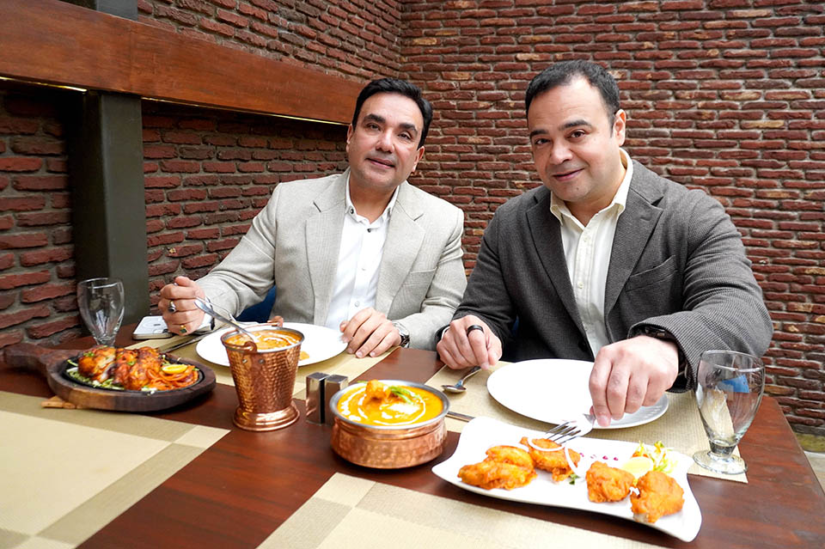
Restaurants often focus heavily on food and service while overlooking the importance of storytelling.
Yet some of the world’s most successful hospitality brands understand that stories create emotional connections.
People rarely remember only a meal. They remember the occasion, the atmosphere, the history, and the feeling associated with the experience.
Moti Mahal has a story that few restaurant brands can match. It is a story tied to culinary innovation, tradition, and the evolution of modern Indian dining.
Leadership plays a key role in preserving and communicating that story, ensuring that each generation understands why the brand matters.
Adapting to a Changing Industry
The restaurant industry today looks very different from what it did twenty years ago.
Customers now discover restaurants through social media. Food delivery platforms have become major revenue channels. Online reviews can influence purchasing decisions within minutes.
These changes have forced restaurant brands to rethink how they engage with customers.
Strong leadership involves recognizing these shifts while maintaining consistency in the core product.
The ability to evolve without losing identity is one of the reasons some brands continue to thrive while others struggle to remain relevant.
A Legacy That Continues to Grow
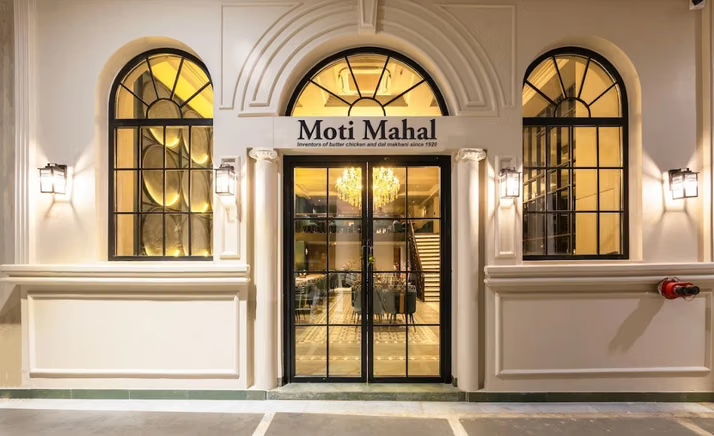
Perhaps the most impressive aspect of the Moti Mahal story is that it continues to evolve.
Many heritage brands eventually become symbols of the past. They are respected but no longer actively growing.
Moti Mahal has taken a different path.
The brand continues to expand, attract new audiences, and introduce its culinary heritage to customers around the world. This ongoing growth reflects a leadership philosophy focused not only on preserving history but also on creating new opportunities for the future.
That combination of respect for tradition and commitment to innovation is what has helped the brand remain relevant across generations.
Final Thoughts
Leadership in the restaurant industry is often misunderstood. It is not simply about managing operations or opening new locations. True leadership involves protecting what makes a brand unique while preparing it for future growth.
Monish Gujral’s contribution to the Moti Mahal story reflects this balance. By preserving culinary heritage, promoting Indian cuisine globally, and continuing to evolve with changing markets, he has helped ensure that the brand remains both historic and contemporary.
In an industry where trends come and go quickly, that ability to balance legacy and progress may be one of the most valuable qualities a leader can possess.
Explore Franchise Opportunities with Moti Mahal
If you’re inspired by the legacy of Moti Mahal and interested in becoming part of one of India’s most recognized culinary brands, explore franchise opportunities at:
Learn how you can build a restaurant business backed by decades of heritage, customer trust, and a brand story that continues to resonate with food lovers around the world.
FAQs
Monish Gujral is an Indian restaurateur, celebrity chef, author, food writer, and entrepreneur associated with the Moti Mahal brand.
Moti Mahal is known for its contribution to North Indian cuisine and its association with dishes that have become globally recognized.
He has helped preserve the brand’s heritage while expanding its presence through media, culinary initiatives, and international growth.
Strong leadership helps maintain quality, preserve brand identity, adapt to market changes, and support long-term growth.
Visit https://motimahal.in/ to explore franchise opportunities and learn more about the brand.