
How Moti Mahal Supports Its Franchise Partners
Starting a restaurant is exciting, but there is a lot more to it than finding a good location and deciding what goes on the menu. There are staff to hire, kitchen equipment to arrange, suppliers to manage, customers to attract and daily expenses to keep track of. Even after the restaurant opens, keeping everything running smoothly takes time and effort.
This is one reason many people consider a restaurant franchise instead of starting a completely independent business.
With a franchise, you get the opportunity to work with an established brand and follow a business model that already has a structure. But there is another important question to ask before investing: what kind of support will you receive after becoming a franchise partner?
Moti Mahal is a familiar name in Indian restaurant culture, known for dishes such as Butter Chicken, Tandoori Chicken and Dal Makhani. With its long culinary history, the brand offers franchise opportunities for people who want to enter the restaurant industry.
However, a franchise partnership is about more than the name on the signboard. Training, restaurant setup, food quality, operations and marketing all play a role in how the business performs.
So, let’s look at how Moti Mahal supports its franchise partners and why these different areas of support matter when setting up and running a restaurant.
1. Helping Partners Understand the Business Before Investing

The first step in opening a restaurant franchise is understanding what you are getting into.
Many people are interested in the food business because they enjoy dining out or have always wanted to own a restaurant. But running one involves several decisions that customers rarely see. The location, restaurant format, kitchen layout, staffing requirements and operating expenses all need careful consideration.
Moti Mahal’s franchise process begins with an inquiry and an initial evaluation. The company discusses the applicant’s requirements, investment capability and proposed location before moving further with the opportunity.
This stage helps both sides understand whether the proposed business is a suitable fit.
For someone entering the restaurant industry for the first time, these early discussions can be useful. They provide an opportunity to understand the business model, ask questions and get clarity on the responsibilities involved.
It is also the right time to discuss the investment structure, expected expenses and terms of the franchise agreement. These details should be understood before making a financial commitment.
2. Support With Restaurant Setup and Planning
Finding the right property is only one part of opening a restaurant. The space also needs to work for the type of food being served and the number of customers the outlet is expected to accommodate.
For example, a kitchen serving tandoori dishes and North Indian curries has different equipment and workflow requirements from a small café or takeaway outlet.
A poorly planned kitchen can slow down service, create unnecessary movement for staff and make daily operations more difficult than they need to be.
Moti Mahal lists location planning, kitchen design, equipment sourcing and restaurant setup among the areas covered by its franchise support.
This can help partners plan the outlet around the brand’s requirements instead of making every decision independently.
The setup stage can involve several things:
- Planning the restaurant layout and seating arrangement.
- Designing a kitchen that supports the menu and service requirements.
- Identifying suitable kitchen equipment.
- Planning the interiors and brand presentation.
- Preparing the outlet for operational and safety requirements.
The exact requirements will depend on the outlet format, property and agreed franchise arrangement.
Getting these details right before opening can save time and help avoid expensive changes later.
3. Staff Training Before the Restaurant Opens

A restaurant may have a good menu, an attractive interior and a recognised name, but the experience can still fall short if the team is not properly trained.
Customers notice the small things. Is the food served at the right temperature? Does the staff understand the menu? Is the order correct? Does someone respond when a customer has a problem?
These everyday details influence whether people return.
Moti Mahal highlights structured restaurant training as part of its franchise offering. Its published support information covers kitchen operations, food preparation, hygiene, customer service and restaurant management.
This is particularly relevant for a brand with established dishes and food preparation standards.
Training helps the team understand how the restaurant is expected to operate, from preparing menu items to handling orders and serving customers. It also gives staff a clearer idea of their individual responsibilities.
For franchise partners, having a training structure is helpful because they do not have to develop every process from scratch.
The goal is not simply to get the restaurant ready for its opening day. It is to help the team understand the standards they need to maintain every day afterwards.
4. Maintaining Food Quality Across Locations
One of the biggest challenges for a restaurant brand is consistency.
A customer who enjoys a dish at one outlet usually expects a similar experience when visiting another location. If the taste, portion size or service changes too much between outlets, it can affect the customer’s trust in the brand.
This becomes especially important when a restaurant serves well-known dishes that people already associate with its name.
Moti Mahal’s culinary identity is closely connected to Butter Chicken, Tandoori Chicken and Dal Makhani. Maintaining the expected food quality requires attention to ingredients, preparation methods, portioning and kitchen practices.
The brand lists quality control, operational procedures and audit systems among its franchise support measures.
These systems help establish a common way of working across the restaurant operation. They also provide a framework for identifying areas where the team may need additional guidance or improvement.
For a franchise partner, this matters because food quality is not just a kitchen issue. It affects customer satisfaction, repeat visits and the reputation of the entire outlet.
A restaurant’s success is built one meal at a time, and consistency is a large part of that process.
5. The FOCO Model: When the Company Manages Operations
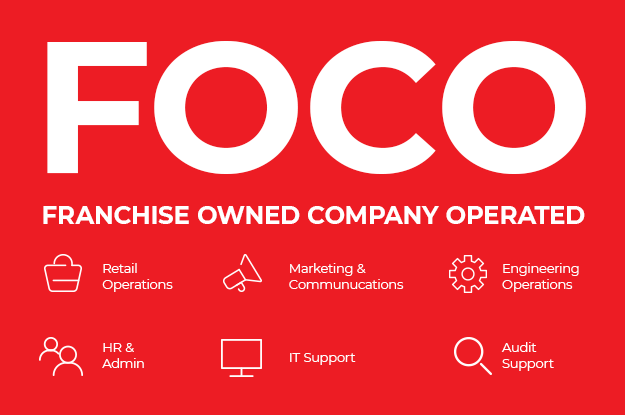
One of the key features of Moti Mahal’s franchise offering is its FOCO Hybrid model.
FOCO stands for Franchise Owned, Company Operated. Under this model, the franchise partner makes the investment and owns the outlet, while Moti Mahal’s team takes responsibility for managing its day-to-day operations, as outlined in the agreed arrangement.
This is different from a conventional franchise setup where the franchisee is directly involved in managing the restaurant every day.
Running a restaurant involves several responsibilities, including staff management, inventory, food preparation, customer service and maintaining quality standards. These tasks require regular supervision and a proper operating structure.
With the FOCO Hybrid model, franchise partners can explore restaurant ownership without having to personally handle every aspect of daily operations. The company’s involvement in managing the outlet provides an organised approach to running the business.
Moti Mahal also guides its franchise partners on local marketing activities, helping them understand how to connect with customers in the area around their outlet.
Of course, the exact responsibilities, investment structure, fees and operating terms should be discussed with the company and clearly understood before signing the franchise agreement.
The FOCO model does not guarantee profits, as restaurant performance depends on factors such as location, customer demand and operating costs. What it offers is a company-managed operational structure backed by an established restaurant brand.
6. Marketing Support to Help the Restaurant Reach Customers
Marketing plays an important role in building a restaurant’s presence, but not all marketing activities serve the same purpose.
There is brand-level marketing, which focuses on building awareness and recognition for Moti Mahal as a restaurant brand. Then there is local marketing, which helps an individual outlet connect with people in its immediate area.
Moti Mahal takes responsibility for its brand-level marketing activities, working towards building and maintaining the brand’s overall identity and visibility.
At the outlet level, the company provides guidance to franchise partners on local marketing. This helps them understand how to reach potential customers in their city or neighbourhood and create awareness about their particular restaurant.
For example, local marketing may involve:
- Identifying the right audience around the restaurant.
- Understanding local customer preferences and dining habits.
- Planning outlet-level promotional activities.
- Exploring local partnerships and community engagement opportunities.
- Making the most of local events and occasions to attract customers.
The approach can vary depending on the outlet’s location, target audience and local market conditions.
This distinction is important. While Moti Mahal manages brand marketing, franchise partners receive advice on local and outlet-level marketing so that their restaurant can build a connection with its surrounding community.
The idea is to maintain a consistent brand identity while allowing individual outlets to connect with customers in a way that makes sense for their local market.
After all, a restaurant may carry a recognised brand name, but building a regular customer base in a new neighbourhood also requires understanding the people who live, work and dine there.
7. Technology and Systems for Better Restaurant Management

Many restaurant problems begin when there is not enough visibility into what is happening during the day.
For example, an owner may want to understand why food costs have increased, why sales are lower than expected or whether the restaurant is following the required processes.
Without reliable records, finding the cause can become difficult.
Moti Mahal highlights technology-enabled monitoring, authorised software and audit controls as part of its franchise operating approach.
These systems can support better oversight of restaurant performance and day-to-day processes. They can also help management identify issues that need attention.
For a franchise partner, the benefit is having a more structured way to review the business rather than depending entirely on occasional updates or informal communication.
During franchise discussions, prospective partners should ask which software and reporting tools are included, what information they will be able to access and how frequently performance reports will be shared.
Clear reporting is useful for understanding the business, even when the company is responsible for operating the restaurant.
8. Support Does Not Stop After the Grand Opening
The opening of a restaurant often receives the most attention. There may be launch promotions, invitations, social media activity and local publicity.
But the real work begins once customers start visiting regularly.
The team needs to maintain service standards, manage supplies, handle feedback and keep the restaurant running efficiently. New challenges can also appear as the business settles into its normal routine.
Moti Mahal describes ongoing operational guidance, quality monitoring, training and marketing support as part of its franchise offering.
This continued support is important because a restaurant is not a one-time project. It is an operating business that needs regular attention.
A team member may need additional training. A process may need to be reviewed. Customer feedback may point to a service issue. Regular performance reviews can help identify these areas and decide what needs to change.
The franchise partner should also have a clear understanding of how to communicate with the management team and raise concerns when required.
Before signing an agreement, it is sensible to clarify the support available after opening, how frequently reviews take place and how operational problems are handled.
9. Menu Development and Keeping Up With Customer Preferences

Food preferences change over time.
Customers may become interested in new dishes, different dining formats or seasonal offerings. Restaurants also need to consider how their menu fits the local market without losing the identity that makes the brand recognisable.
For a legacy restaurant brand, this requires a careful balance.
Changing too much can weaken the connection with existing customers. Never adapting, on the other hand, can make the dining experience feel dated.
Moti Mahal lists menu innovation and culinary development among the areas of support offered to franchise partners.
A structured approach to menu development can help the brand introduce new offerings while maintaining its established culinary identity.
For franchise partners, a planned menu approach can also make it easier to understand which dishes are part of the core offering and which may be introduced through seasonal or promotional initiatives.
The practical details, including menu changes and the items available at a particular outlet, should be confirmed with the company.
10. Helping Partners Think Beyond One Restaurant
Some entrepreneurs enter the restaurant industry with a single outlet in mind. Others may eventually want to expand into more locations.
Expansion, however, should not be based only on the desire to grow quickly.
A business needs a sound operating structure, clear financial records, consistent customer demand and an understanding of the challenges involved in managing multiple locations.
Moti Mahal’s franchise information includes business performance reviews and expansion planning as part of its longer-term support approach.
For a partner considering growth, these discussions can help identify whether the existing outlet is ready for the next step.
It is worth reviewing questions such as:
- Is the current outlet meeting its business objectives?
- Are food quality and customer service consistent?
- Are the operating costs understood and controlled?
- Is there sufficient demand in the proposed new market?
- Can the business support another location without affecting the first?
Expansion may be a future goal, but building a stable first outlet should come first.
A good franchise relationship should allow room for these conversations rather than treating the opening of the restaurant as the end of the process.
Why Franchise Support Matters When Choosing a Restaurant Brand

When comparing restaurant franchise opportunities, it is easy to focus on the brand name, menu or initial investment.
These are important, but they are only part of the decision.
The kind of support available can make a meaningful difference to the experience of setting up and running the business.
A prospective franchise partner should understand how the company helps with planning, training, quality standards, operations and marketing. It is equally important to know what the franchisee is expected to handle and what expenses remain their responsibility.
Moti Mahal combines its established Indian culinary identity with a franchise offering that includes restaurant setup assistance, training, operational management and marketing support.
Its FOCO Hybrid model may be especially relevant to investors who want to own a restaurant business while having the company manage daily operations.
However, every franchise opportunity should be evaluated on its own terms. Prospective partners should review the agreement, investment requirements, operating costs and financial assumptions carefully before making a decision.
The right partnership is one where both sides understand their responsibilities and work towards maintaining the restaurant’s long-term performance.
Explore a Moti Mahal Franchise Opportunity
Building a restaurant business involves many moving parts. From planning the kitchen to training the staff and maintaining food quality, every stage needs attention.
Moti Mahal offers entrepreneurs an opportunity to become part of an established Indian restaurant brand, with a franchise support structure designed to cover different stages of the restaurant journey.
If you are exploring a restaurant franchise in India and want to understand how the Moti Mahal model works, start by reviewing the available franchise options and discussing your requirements with the company.
You can learn more about the franchise model, setup process and support services on the official website.
Interested in becoming a Moti Mahal franchise partner?
Visit Moti Mahal’s official franchise page to explore the opportunity and submit an inquiry.
Before proceeding, ask for details about the investment, franchise agreement, operating responsibilities, fees and financial projections so you can make an informed decision.
Frequently Asked Questions
Moti Mahal lists support in areas such as restaurant setup, staff training, food quality control, operations, marketing, technology and ongoing business reviews. The exact scope depends on the agreed franchise arrangement.
FOCO stands for Franchise Owned, Company Operated. Under Moti Mahal’s FOCO Hybrid model, the franchise partner owns the investment while the company manages restaurant operations, as described on its official franchise website.
Yes. Moti Mahal lists structured restaurant training as part of its franchise support. This includes areas such as food preparation, hygiene, customer service and restaurant operations.
Moti Mahal lists assistance with location planning, kitchen design, equipment sourcing, restaurant setup and quality assurance among its franchise services. The details should be confirmed for the proposed outlet.
Yes. Its published franchise information includes support such as local promotions, digital marketing, social media activity and pre-opening publicity. The specific activities and responsibilities should be discussed before signing the agreement.
Moti Mahal describes ongoing operational management, quality monitoring, training, marketing guidance and performance reviews as part of its franchise support approach.
Moti Mahal offers a FOCO Hybrid model in which the company manages day-to-day restaurant operations. Prospective partners should confirm the exact responsibilities, fees and terms directly with the company.
No franchise should be treated as a guaranteed source of profit. Actual performance depends on factors such as location, investment, operating expenses, customer demand and the terms of the franchise arrangement. Prospective partners should review financial projections carefully.
Visit the official Moti Mahal franchise page to learn about the opportunity and submit an inquiry.
Review the total investment, franchise fees, recurring costs, agreement terms, location requirements, operational responsibilities and financial assumptions. Ask the company to explain the support included and any responsibilities that remain with you as the franchise partner.