

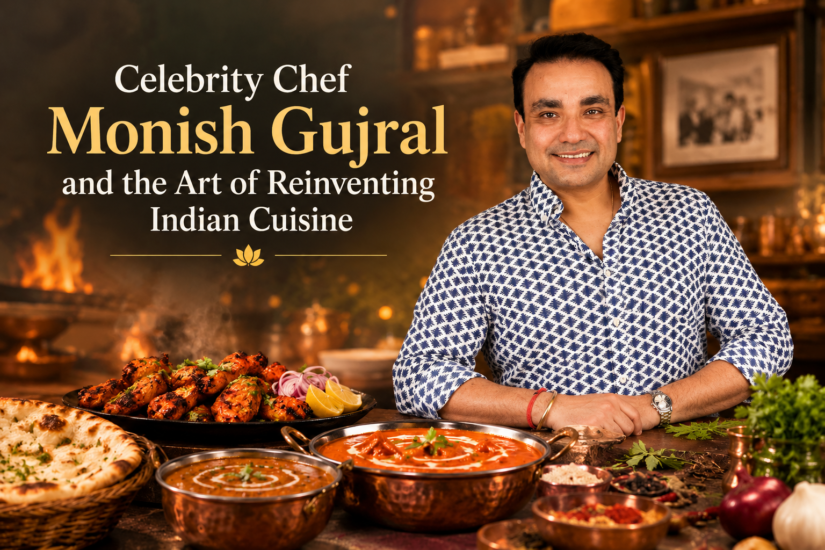
Celebrity Chef Monish Gujral
Indian food has never really stayed the same.
It has always travelled, changed, adapted and picked up something new along the way. A recipe that starts in one city can look completely different a few generations later. Sometimes the change comes from a new ingredient. Sometimes it comes from changing customer preferences. And sometimes, it comes from a chef who understands that tradition should not be treated like a museum piece.
Celebrity Chef Monish Gujral is one such name.
As the grandson of Kundan Lal Gujral, the founder of Moti Mahal, Monish grew up around one of the most talked-about chapters in Indian food history. But carrying a famous culinary legacy is not as simple as keeping old recipes unchanged. The real challenge is knowing what should remain untouched and what can evolve.
That balance has played an important role in Monish Gujral’s approach to Indian cuisine and in the growth of Moti Mahal as a restaurant brand.
From Kundan Lal Gujral to Monish Gujral: A Culinary Legacy
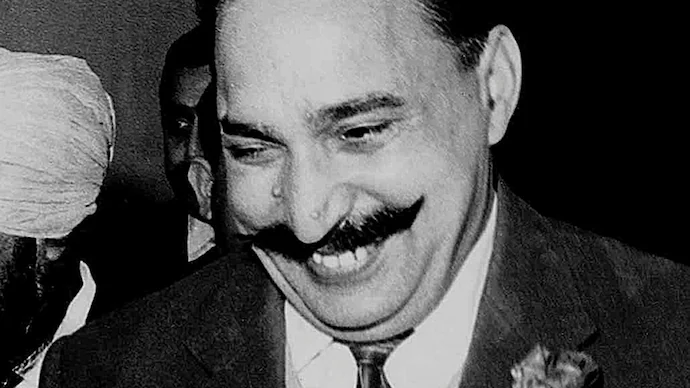
The story goes back to Peshawar, where Kundan Lal Gujral started his culinary journey. After Partition in 1947, he moved to Delhi and established Moti Mahal in Daryaganj.
His cooking became known for dishes that would eventually become part of the popular vocabulary of Indian food — Tandoori Chicken, Butter Chicken and Dal Makhani. Moti Mahal’s own account of its history describes Kundan Lal Gujral’s approach as one driven by experimentation and practical problem-solving in the kitchen.
That last point is interesting because it tells us something about Indian cuisine that is sometimes forgotten.
Innovation in food is not always about making something fancy.
Sometimes it is simply about asking:
Can this be better?
Kundan Lal Gujral asked that question in his kitchen many decades ago. Monish Gujral inherited the same curiosity, but in a completely different time.
What Does It Actually Mean to Reinvent Indian Cuisine?
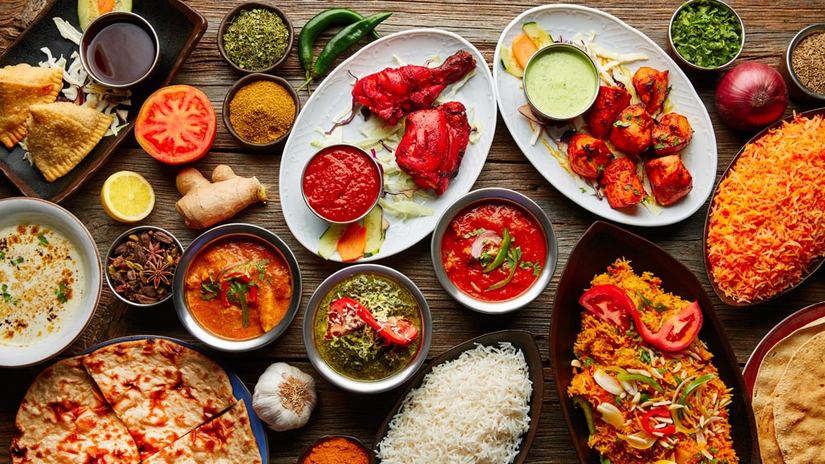
When people hear the phrase “reinventing Indian cuisine,” they often imagine unusual presentations, modern plating or traditional food being turned into something almost unrecognisable.
But reinvention does not have to mean that.
For Monish Gujral, the more interesting question is how Indian food can stay familiar while remaining relevant.
Think about Butter Chicken.
The basic idea behind the dish is already a story of innovation. According to the Moti Mahal account, Kundan Lal Gujral developed a buttery, tomato-based sauce as a way of keeping cooked tandoori chicken succulent rather than allowing it to dry out. That practical solution eventually became one of India’s most recognised dishes.
So, in a way, the idea of reinventing Indian food is already part of the Moti Mahal story.
It started with looking at an existing cooking method and thinking differently about it.
Tradition Does Not Mean Standing Still
One of the biggest misunderstandings about traditional Indian food is that authenticity means doing everything exactly the way it was done generations ago.
Indian cooking itself tells a different story.
Recipes have changed because people moved from one region to another. Ingredients changed because they were not always available. Cooking methods changed with new equipment. Family recipes changed because every cook added their own little touch.
Even popular dishes that we now consider timeless were once new.
This is where Monish Gujral’s role becomes particularly interesting. He has not simply inherited the Moti Mahal name. He has worked to take the brand into a newer generation while keeping its culinary identity intact. Moti Mahal describes Monish as a chef, food writer and columnist who helped transform the brand from a well-known Delhi restaurant into a larger international restaurant business.
That is a very different challenge from simply opening another restaurant.
The Fine Line Between Modern and Familiar
There is a reason people become attached to traditional food.
It reminds them of something.
A certain smell can take someone back to their childhood. A bowl of dal can remind someone of home. A particular spice combination can immediately make a dish feel familiar.
If you change too much, you lose that emotional connection.
If you change nothing, however, a restaurant can struggle to keep up with changing dining habits.
The sweet spot is somewhere in between.
Modern Indian cuisine can introduce new formats, presentation styles and combinations while still respecting the flavours that make the dish Indian in the first place.
This is especially important for a legacy restaurant brand like Moti Mahal.
The idea is not to replace the old with the new.
It is to allow the old to continue having a place at the table.
Why Butter Chicken Is a Good Example of Culinary Reinvention
Butter Chicken is probably one of the easiest examples to understand.
Today, the dish appears in restaurants across India and in Indian restaurants around the world. It has also inspired pizzas, wraps, burgers, tacos and several other interpretations.
Some people love these versions.
Others think Butter Chicken should simply remain Butter Chicken.
Both reactions are understandable.
But food has always travelled through experimentation. The original dish itself was born from experimentation and necessity. Moti Mahal’s history records how Kundan Lal Gujral used a makhani sauce to deal with the problem of cooked tandoori chicken drying out.
That is an important lesson for anyone working with traditional cuisine today:
A dish can evolve without losing the story behind it.
The key is knowing which parts of the dish define its identity.
Monish Gujral’s Approach: Preserve the Story, Move the Brand Forward
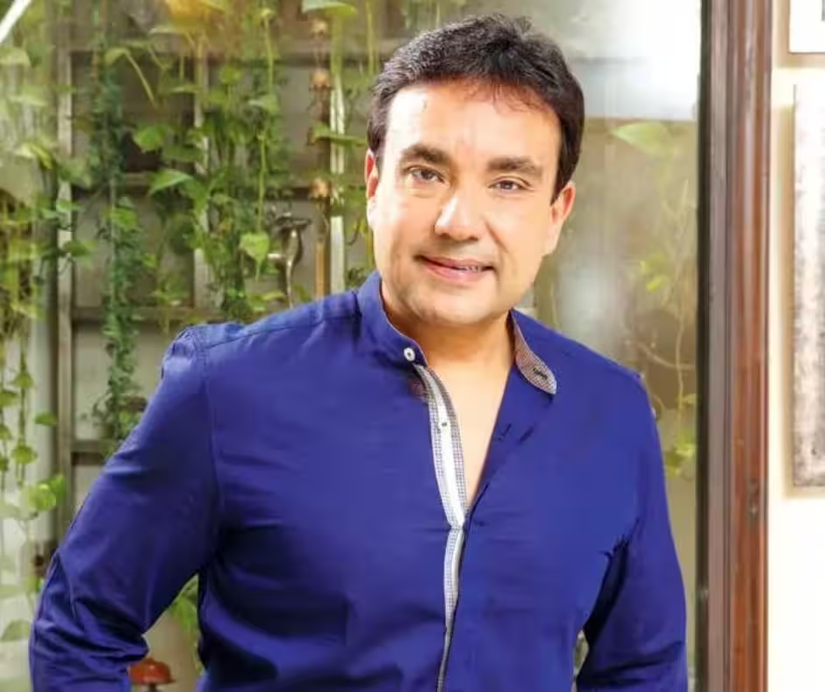
Monish Gujral’s connection with Moti Mahal is personal as well as professional.
According to Moti Mahal’s published history, he trained under his grandfather and later pursued formal education in hotel management. He eventually focused on building teams and developing a franchise structure for the business.
That combination matters.
Running a modern restaurant brand is not only about knowing how to cook.
It involves understanding customers, operations, consistency, people, branding and expansion.
This is perhaps where the idea of reinvention becomes bigger than food itself.
A traditional restaurant can reinvent its experience, systems and business model while continuing to serve dishes that people already know and love.
That is exactly the kind of challenge legacy food brands face today.
Indian Cuisine Is Ready for the Next Generation
Indian cuisine has a huge advantage.
It already has depth.
There are hundreds of regional cooking traditions, countless spice combinations, different cooking techniques and generations of food knowledge. There is no shortage of inspiration.
The challenge is presenting this richness in ways that today’s customers understand.
Younger diners may want familiar Indian flavours but in a more contemporary setting. International customers may want to explore Indian food without knowing where to start. Restaurant owners may want traditional dishes that can be delivered consistently across multiple locations.
This is where experienced chefs and established food brands have an opportunity.
They can act as a bridge between heritage and modern dining.
Reinvention Is Also About the Restaurant Business
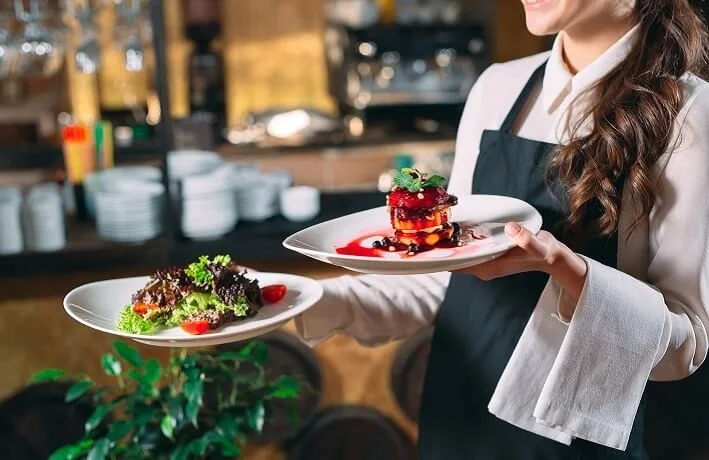
There is another side to Monish Gujral’s story that is worth discussing.
Indian cuisine has become a serious restaurant business.
The demand for Indian food is no longer restricted to traditional family restaurants. There are premium Indian restaurants, casual dining concepts, delivery brands, modern regional restaurants and international Indian food businesses.
For a legacy brand, scaling this kind of business comes with one major problem:
How do you grow without losing consistency?
A restaurant that has been operating in one location can depend heavily on its chef and kitchen team. A larger restaurant network needs processes, training, quality control and operational systems.
Moti Mahal’s current franchise model addresses this through a FOCO Hybrid — Franchisee Owned, Company Operated — structure, where the franchisee owns the investment while the company handles operations. The brand also highlights training, quality control, turnkey setup and operational systems as part of its franchise offering.
This is an interesting example of reinvention beyond the plate.
The food remains connected to its heritage, while the business model is designed for today’s restaurant market.
Why Legacy Matters in Modern Indian Restaurants
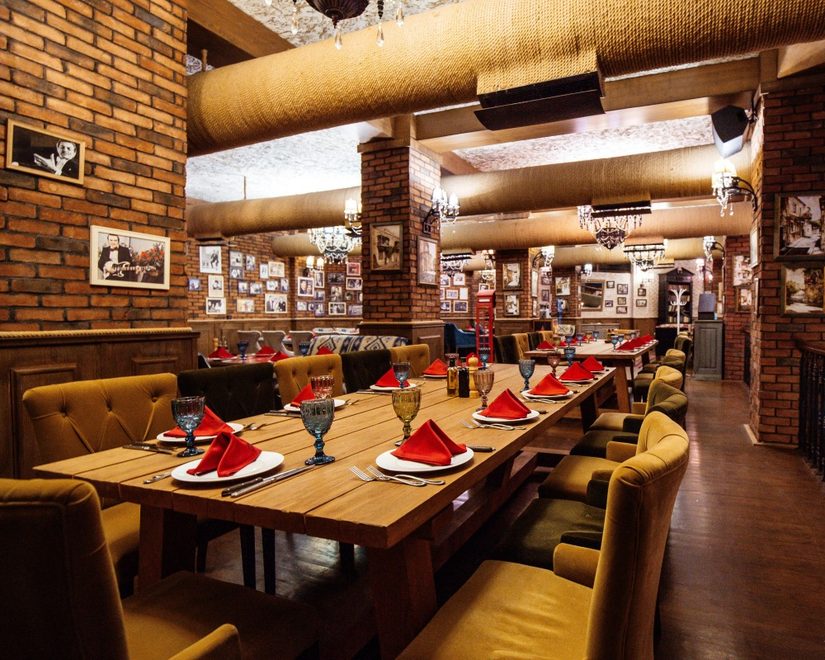
There are thousands of restaurants serving North Indian and Mughlai food today.
So why does a legacy matter?
Because customers increasingly want to know where their food comes from.
A restaurant with a real story has something that cannot be created overnight.
Moti Mahal’s story stretches from Peshawar to Delhi and from Kundan Lal Gujral’s early experiments with tandoori cooking to the work of his grandson Monish Gujral in building the brand for a newer generation.
That history gives the food context.
You are not just eating Butter Chicken.
You are eating a dish connected to a much larger story of migration, entrepreneurship, experimentation and Indian restaurant culture.
The Future of Indian Cuisine May Be About Balance
Perhaps the biggest lesson from Monish Gujral’s journey is that Indian cuisine does not need to choose between traditional and modern.
It can be both.
A restaurant can preserve a recipe while improving its presentation.
A chef can respect an old cooking technique while experimenting with new ingredients.
A legacy brand can maintain its signature dishes while creating a modern restaurant experience.
And a traditional Indian food business can expand internationally without forgetting where it started.
That balance is not always easy.
But that is what makes reinventing Indian cuisine interesting.
The goal is not to erase the past.
It is to give the past a place in the future.
Moti Mahal: Taking a Culinary Legacy Into the Future
For more than a century, Moti Mahal has been associated with some of the most recognised names in Indian cuisine, including Tandoori Chicken, Butter Chicken and Dal Makhani. The brand today continues to build on that culinary heritage while expanding its restaurant and franchise presence.
For entrepreneurs interested in entering the Indian food and restaurant industry, a recognised culinary legacy can offer a strong starting point.
Moti Mahal currently offers multiple franchise opportunities and a FOCO Hybrid model designed to combine franchise ownership with company-led restaurant operations.
If you are exploring a food franchise in India and want to build a restaurant around an established Indian culinary brand, you can explore the opportunity with Moti Mahal.
Explore Moti Mahal Franchise Opportunities
Frequently Asked Questions
Monish Gujral is a celebrity chef, food writer, columnist and the grandson of Kundan Lal Gujral, the founder of Moti Mahal. He has played an important role in developing Moti Mahal as a modern restaurant and franchise business while continuing its culinary legacy.
Monish Gujral is known for his work in the restaurant and hospitality industry, his association with Moti Mahal, food writing and his efforts to take the Moti Mahal brand to a larger audience.
Moti Mahal is particularly associated with Tandoori Chicken, Butter Chicken and Dal Makhani. The brand credits Kundan Lal Gujral with the creation of these iconic dishes.
Reinventing Indian cuisine does not necessarily mean changing traditional dishes completely. It can mean adapting presentation, ingredients, cooking techniques, restaurant experiences or business models while keeping the core character of Indian food intact.
Yes. A strong restaurant franchise generally needs more than a popular menu. Consistent food quality, operational systems, training, brand recognition and ongoing support are important when expanding across locations. Moti Mahal’s current franchise model combines franchise ownership with company-operated restaurant management.
You can learn about Moti Mahal’s franchise models, operating structure and franchise opportunity through the brand’s official franchise page.