

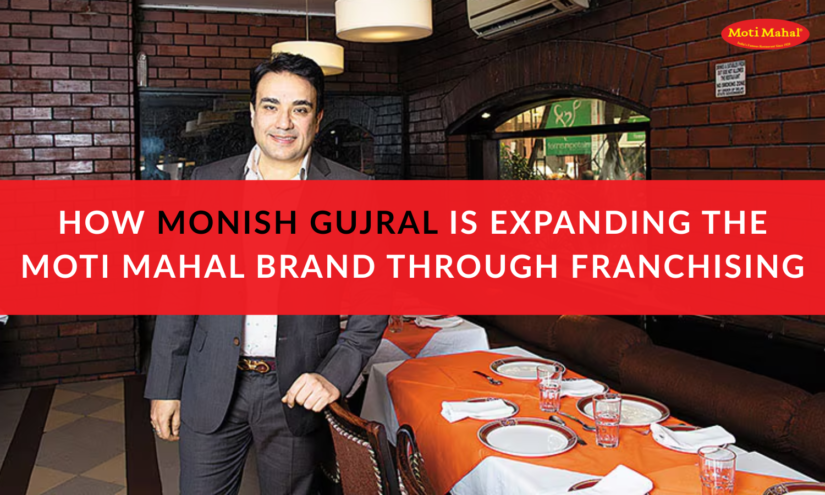
How Monish Gujral is Expanding the Moti Mahal Brand Through Franchising
Restaurant expansion looks glamorous from the outside.
People usually see:
- new outlets
- launch events
- celebrity guests
- social media posts
But behind all of that, food franchising is actually a very operational business.
Especially when the brand already carries history.
And that’s exactly the situation with Moti Mahal.
This is not a newly created food startup trying to go viral. It’s a legacy brand connected with some of the most recognized dishes in Indian cuisine.
So when Monish Gujral started expanding the brand through franchising, the challenge was bigger than simply increasing outlet numbers.
The real challenge was:
👉 How do you grow a heritage brand without losing what made people trust it in the first place?
The Pressure of Expanding a Legacy Brand
Starting a new food brand gives freedom.
You can:
- change recipes anytime
- redesign concepts quickly
- experiment aggressively
But legacy brands don’t have that luxury.
Customers already have expectations.
People already associate Moti Mahal with:
- authentic North Indian food
- butter chicken
- tandoori cuisine
- traditional flavors
So even small changes become noticeable.
That’s why expansion becomes more sensitive.
Because when customers walk into a Moti Mahal outlet, they already expect a certain experience before even ordering food.
Franchising Wasn’t Just About Faster Growth
A lot of companies use franchising only to expand quickly.
But that model often creates problems later:
- inconsistent food
- poor service
- damaged reputation
In food business, one badly managed outlet affects the full brand image.
This is why systems become more important than marketing.
From the way the brand has expanded, it’s clear the focus has been more on:
- operational structure
- training systems
- consistency
- process-based management
rather than just opening outlets aggressively.
And honestly, that approach usually lasts longer.
Why Franchising Makes Sense in the Food Industry
Running company-owned restaurants everywhere is expensive and difficult.
Especially in multiple cities or countries.
Local franchise partners bring:
- local market understanding
- operational presence
- regional customer knowledge
- faster execution
But local ownership alone is not enough.
The brand still has to ensure:
- recipes remain consistent
- hygiene standards stay strong
- service quality is maintained
Otherwise customers stop trusting the brand.
That balance between local flexibility and brand consistency is where strong franchise systems stand apart.
The Moti Mahal Name Already Carries Emotional Recall
This is something many newer brands don’t have.
People don’t just recognize the name “Moti Mahal.”
They emotionally connect with it.
For many families:
- it reminds them of old-style dining
- familiar flavors
- family dinners
- classic North Indian meals
That kind of emotional memory cannot be created overnight through advertising.
And for franchise owners, this helps a lot.
Because customer trust already exists before the outlet even opens.
Global Expansion Changes Everything
Expanding inside India is one challenge.
International expansion is completely different.
Because then you deal with:
- different customer preferences
- ingredient sourcing issues
- varying food regulations
- operational challenges abroad
A lot of Indian brands entering global markets make one common mistake:
they over-modify Indian food to fit international audiences.
Eventually the food loses authenticity.
But what’s interesting in Moti Mahal’s case is that the brand still tries to preserve the original identity of the cuisine while adapting operations where necessary.
That balance is not easy.
Why Standardization Matters So Much
One thing people outside the restaurant industry underestimate is recipe consistency.
If a customer eats butter chicken in Delhi and then orders the same thing in another city, the experience should still feel familiar.
That requires:
- detailed kitchen SOPs
- portion control
- ingredient consistency
- training systems
- quality audits
Without these systems, franchising becomes chaos very quickly.
This is why successful food franchising is actually more about systems than recipes.
Modern Customers Expect More Than Just Food
Earlier, restaurants survived mainly on taste.
Today customers judge:
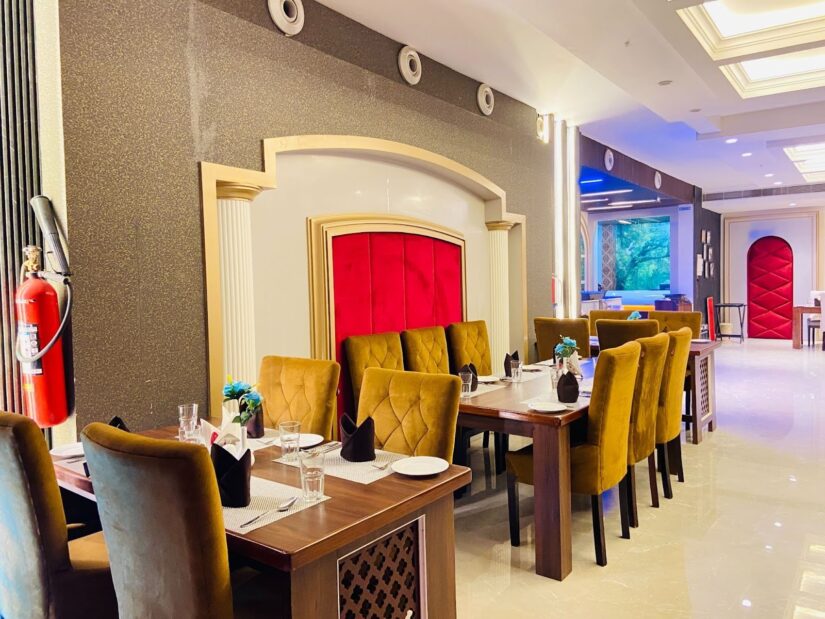
- ambience
- hygiene
- speed
- online reviews
- packaging
- Instagram visibility
This changes how restaurant brands operate.
Now franchise brands also need to support partners with:
- marketing direction
- digital visibility
- operational processes
- customer engagement standards
Food alone is not enough anymore.
Franchising Also Reduces Fear for New Entrepreneurs
Starting from zero is risky.
You need to figure out:
- menu engineering
- branding
- suppliers
- customer acquisition
- kitchen setup
all by yourself.
That’s why many entrepreneurs now look at franchise models instead.
Because at least:
- the name is recognized
- systems are tested
- menu already works
- customer trust exists
It reduces the uncertainty beginners usually face.
Monish Gujral’s Expansion Style Feels More Sustainable
Some brands grow very fast… then disappear just as quickly.
Usually because growth happened without control.
But legacy restaurant brands survive differently.
They survive through:
- consistency
- familiarity
- customer trust
- operational discipline
And that’s probably why Moti Mahal still remains relevant after decades.
The focus seems less on “viral growth” and more on long-term brand stability.
Restaurant Franchising Is Still Hard Work
This is important to understand.
A franchise is not passive income.
Even with a strong brand, franchise owners still deal with:
- staffing issues
- rising costs
- customer complaints
- local competition
- daily operations
The brand gives support and structure.
But local execution still decides success.
That part never changes.
Why Legacy Still Matters in the Food Business
Today there are thousands of food brands launching online.
Some become trendy quickly.
But legacy brands work differently.
People trust them because they’ve already survived changing markets, changing customer behavior, and industry competition over decades.
That trust becomes a major advantage when expanding through franchising.
And that’s one reason why brands like Moti Mahal continue to attract attention from entrepreneurs entering the food industry.
Thinking About Starting a Food Franchise?
If you’re planning to enter the restaurant business, understanding structured franchise models can help reduce early mistakes.
Moti Mahal offers:
- brand recognition
- established systems
- operational support
- legacy customer trust
You can explore their franchise opportunities here:
Take your time, study the model properly, and understand the business before making decisions.