

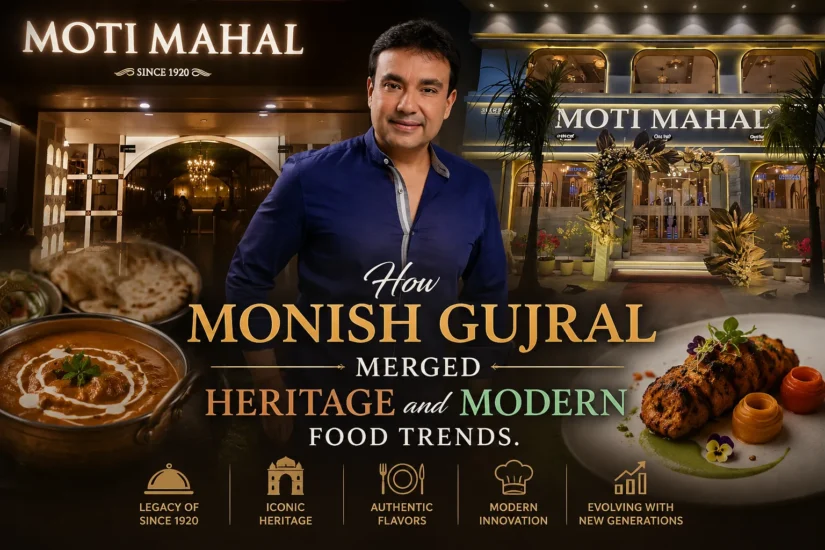
How Monish Gujral Merged Heritage and Modern Food Trends
The food industry changes almost every year. One season, everyone is talking about cloud kitchens. The next, it’s healthy eating, gourmet street food, or social media-worthy cafés. While these trends attract attention, very few become part of everyday dining.
For restaurant brands with a long history, keeping up with changing customer preferences can be challenging. If they change too much, they risk losing their identity. If they refuse to evolve, they may struggle to attract younger customers.
This is where thoughtful leadership makes all the difference.
One person who has managed this balance remarkably well is Monish Gujral. As an Indian restaurateur, celebrity chef, food writer, blogger, and Chairman of the Moti Mahal Group, he has played an important role in preserving one of India’s most iconic food legacies while ensuring it continues to connect with modern diners.
Rather than chasing every trend, Monish Gujral has focused on something more meaningful—adapting the dining experience without compromising the authenticity that made Moti Mahal famous in the first place.
A Legacy Built on Authentic Indian Cuisine
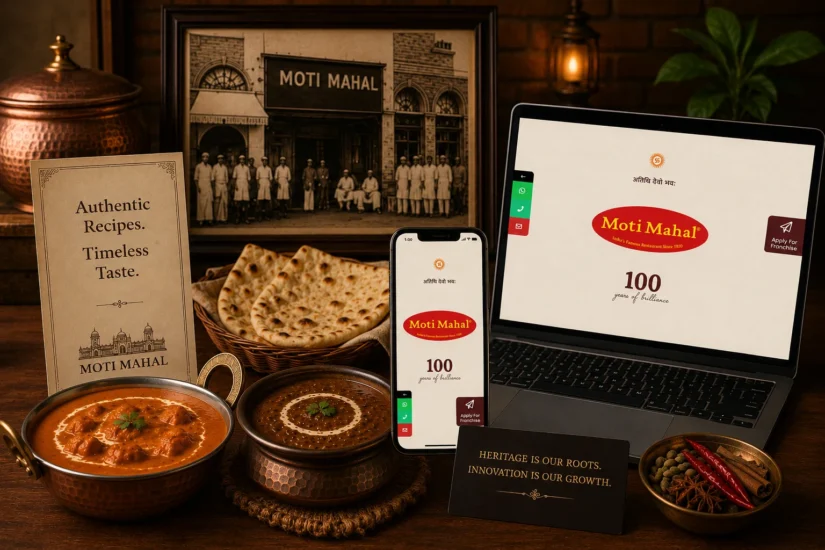
To understand this journey, it’s important to understand what Moti Mahal represents.
The story of Moti Mahal began in 1920 in Peshawar when Shri Kundan Lal Gujral founded the original restaurant. After Partition, the family moved to Delhi and reopened the restaurant in Daryaganj in 1947.
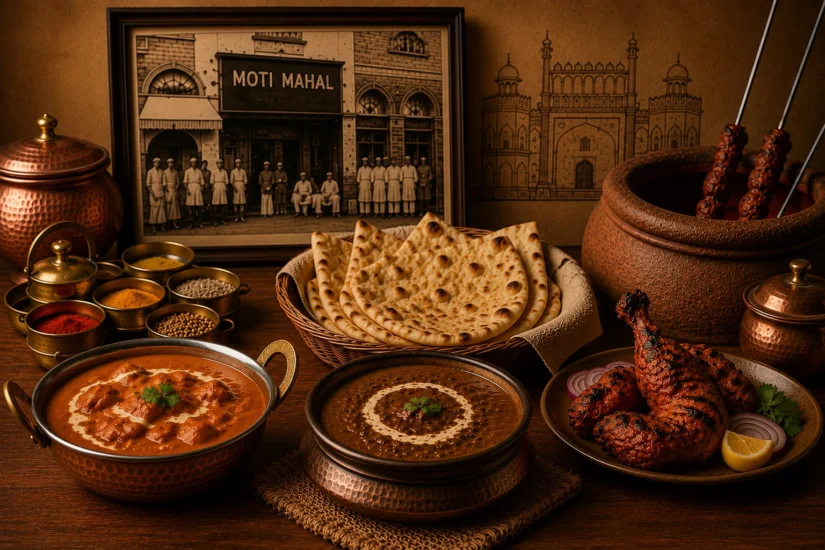
Over time, Moti Mahal became internationally known for introducing dishes that today are considered classics of North Indian cuisine.
Among them are:
- Butter Chicken
- Tandoori Chicken
- Dal Makhani
These recipes have remained favourites for generations, not because they followed trends, but because they consistently delivered authentic flavour.
This heritage became the foundation on which Monish Gujral would continue building.
Understanding That Customers Change
One thing that successful restaurateurs understand is that food may remain timeless, but customer expectations constantly evolve.
Years ago, people visited restaurants mainly for celebrations.
Today, customers expect much more.
They want comfortable interiors, digital reservations, food delivery, healthier menu choices, faster service, social media engagement, and memorable dining experiences.
Ignoring these changes would have limited the growth of even a legendary brand.
Instead of resisting change, Monish Gujral embraced it while protecting what mattered most—the food.
Keeping Traditional Recipes Intact
One mistake many heritage brands make is changing their original recipes simply to appear modern.
That approach often disappoints loyal customers.
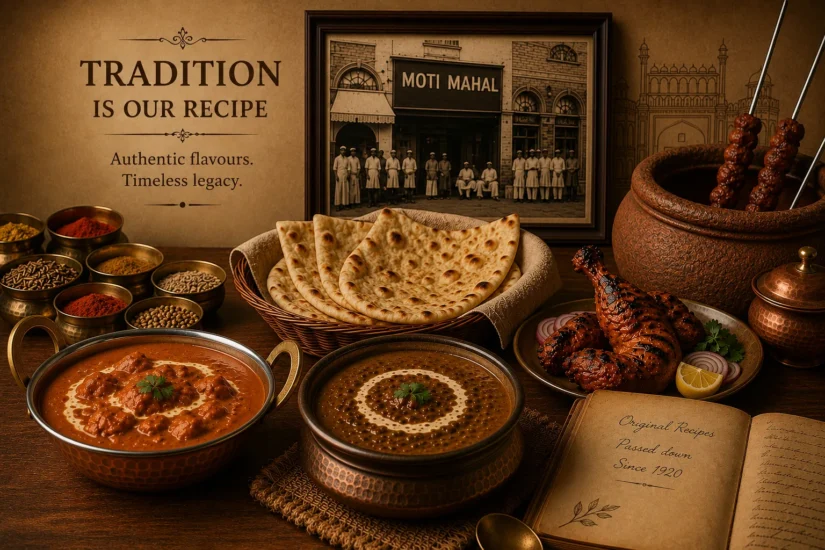
Under Monish Gujral’s leadership, Moti Mahal has remained committed to preserving its signature recipes.
The famous smoky flavour of Tandoori Chicken, the rich texture of Dal Makhani, and the authentic preparation of Butter Chicken continue to reflect decades of culinary tradition.
Modern presentation may change.
Restaurant interiors may evolve.
Technology may improve.
But the recipes remain rooted in their original identity.
That consistency is one of the reasons customers continue returning to the brand.
Modern Dining Is About Experience
Today’s restaurant guests don’t only judge food.
They also remember the atmosphere, hospitality, convenience, and overall experience.
Recognising this shift, Moti Mahal has gradually evolved its restaurant formats to create spaces that appeal to modern families, professionals, tourists, and younger diners.
Recent openings, such as Moti Mahal Tandoori Trail at Arun Jaitley Stadium, reflect this approach perfectly.
Guests enjoy authentic North Indian cuisine while overlooking one of India’s most iconic cricket stadiums.
The food remains traditional.
The experience feels contemporary.
This balance is what modern hospitality is all about.
Expanding Beyond Traditional Restaurants
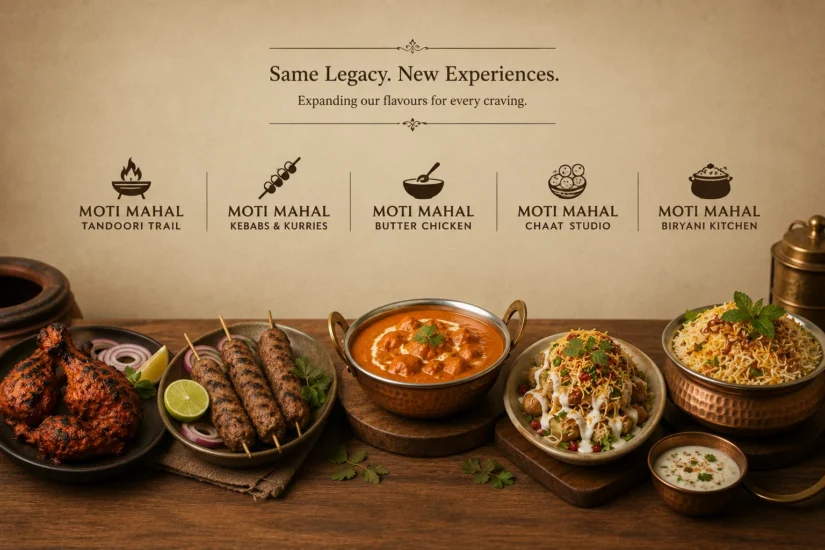
Another way Monish Gujral has embraced changing food trends is through diversification.
Rather than relying on a single restaurant concept, different formats have been introduced to suit changing customer preferences.
These include concepts focused on:
- Kebabs
- Butter Chicken
- Chaat
- Biryani
- Regional Indian cuisine
Each concept celebrates a different aspect of Indian food while maintaining the same commitment to authenticity.
Instead of changing Indian cuisine to fit trends, the approach has been to showcase the diversity already present within Indian food itself.
Bringing Indian Cuisine to Global Audiences
Food trends differ from country to country.
Expanding internationally requires more than simply opening restaurants.
It requires understanding local dining habits while preserving authenticity.
Monish Gujral has helped introduce authentic Indian cuisine to international audiences through restaurants, cookbooks, culinary events, and media appearances.
His work has helped many global diners experience Indian food beyond the few dishes they were already familiar with.
In doing so, he has contributed not only to the growth of Moti Mahal but also to the global appreciation of Indian cuisine.
Beyond Restaurants
Monish Gujral’s contribution extends beyond restaurant operations.
As a celebrity chef, award-winning food writer, cookbook author, and blogger, he has consistently documented India’s culinary traditions.
His books explore recipes alongside the stories, history, and culture that shaped them.
This storytelling plays an important role in preserving food heritage for future generations.
Rather than allowing recipes to exist only inside restaurant kitchens, he has helped share them with readers around the world.
Technology Without Losing Identity
The restaurant industry today looks very different from what it did twenty years ago.
Customers book tables online.
Reviews influence purchasing decisions.
Food delivery apps generate a significant share of restaurant revenue.
Social media often introduces customers to new brands before they visit.
Moti Mahal has adapted to these changes by embracing digital platforms while ensuring the core brand remains unchanged.
Technology has become a tool to improve accessibility—not replace authenticity.
This practical approach has allowed the brand to remain relevant across different generations of customers.
Building a Brand That Outlives Trends
Food trends naturally come and go.
One year people want fusion food.
The next year they return to traditional comfort meals.
Restaurant brands that rely entirely on trends often struggle once customer interests change.
Brands built on heritage tend to last much longer.
Monish Gujral has understood that true longevity comes from maintaining a clear identity while continuously improving the customer experience.
Instead of asking, “How do we become trendy?”
The better question has been:
“How do we stay authentic while meeting today’s expectations?”
That mindset explains why Moti Mahal continues to remain relevant after more than a century.
What Entrepreneurs Can Learn
The journey of Monish Gujral offers valuable lessons for aspiring restaurateurs.
Success is not always about creating something completely new.
Sometimes, success comes from protecting what already works while finding smarter ways to present it to changing audiences.
Businesses that combine tradition with innovation often build stronger customer loyalty than those constantly chasing short-term trends.
Whether someone is opening their first restaurant or investing in a franchise, this balance remains one of the most important ingredients for long-term growth.
Final Thoughts
Heritage and innovation are often seen as opposites.
The story of Monish Gujral proves they can work together.
By preserving authentic recipes, embracing modern hospitality, expanding globally, adopting new technologies, and continuously improving customer experiences, he has demonstrated that a historic restaurant brand can remain relevant without losing its soul.
In many ways, Moti Mahal’s continued success reflects a simple philosophy.
Respect the past.
Understand the present.
Prepare for the future.
That balance is what has helped transform Moti Mahal from a legendary restaurant into a brand that continues to inspire food lovers and entrepreneurs around the world.
Become Part of the Moti Mahal Legacy
If you’re inspired by the journey of Moti Mahal and would like to build your own restaurant business with one of India’s most trusted culinary brands, explore franchise opportunities with Moti Mahal.
Visit https://motimahal.in/ to learn more about the franchise model, business support, and investment opportunities.
Build your business with a brand backed by over a century of culinary excellence, customer trust, and authentic Indian flavours.
Frequently Asked Questions
Monish Gujral is an Indian restaurateur, celebrity chef, food writer, blogger, and Chairman of the Moti Mahal Group. He has played a key role in preserving and expanding the Moti Mahal brand while maintaining its original identity.
He has embraced modern restaurant formats, digital platforms, global expansion, and improved dining experiences while preserving the authentic recipes and heritage that define the brand.
Founded in 1920, Moti Mahal is one of India’s most iconic restaurant brands and is closely associated with legendary dishes such as Butter Chicken, Tandoori Chicken, and Dal Makhani.
Its combination of authentic recipes, rich history, customer trust, and continuous innovation has helped it remain relevant for generations.
Visit https://motimahal.in/ to explore franchise opportunities, understand the business model, and connect with the Moti Mahal team.