

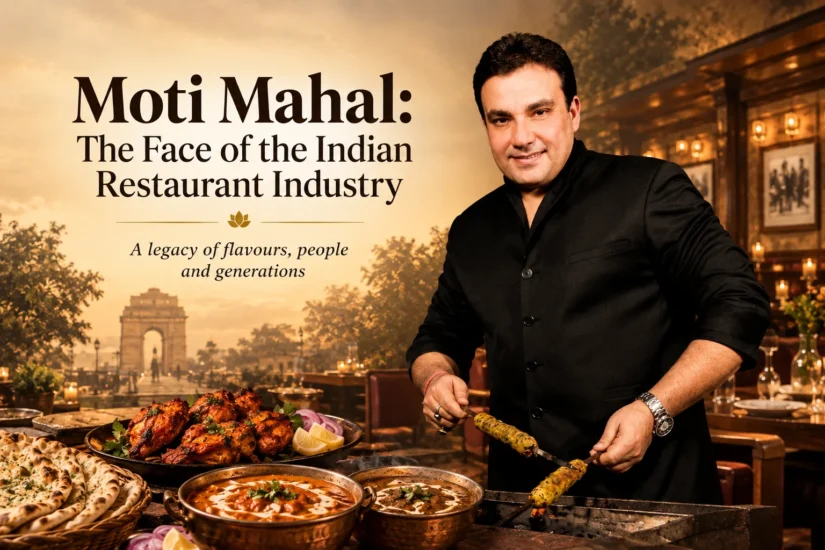
The Face of the Indian Restaurant Industry
From Peshawar to Delhi and the World: The Story of an Indian Culinary Institution
Few restaurants can claim to have become more than a restaurant. Moti Mahal is one of them.
For generations, Moti Mahal restaurant has represented much more than food. It represents culinary heritage, innovation, hospitality and the evolution of the Indian restaurant industry. From its beginnings in Peshawar to its establishment in Delhi and its presence across India and international markets, Moti Mahal has remained closely associated with some of the most recognised dishes in Indian cuisine.
The story of Moti Mahal is closely connected with Kundan Lal Gujral, the pioneering chef and restaurateur behind the brand. His approach to tandoor cooking and Indian flavours helped establish Moti Mahal as an important name in the history of Indian restaurants.
Today, the Moti Mahal legacy continues under Monish Gujral, who has worked to take the family’s culinary heritage to new generations while expanding the brand’s presence in the modern restaurant industry.
Moti Mahal: A Legacy That Began in Peshawar
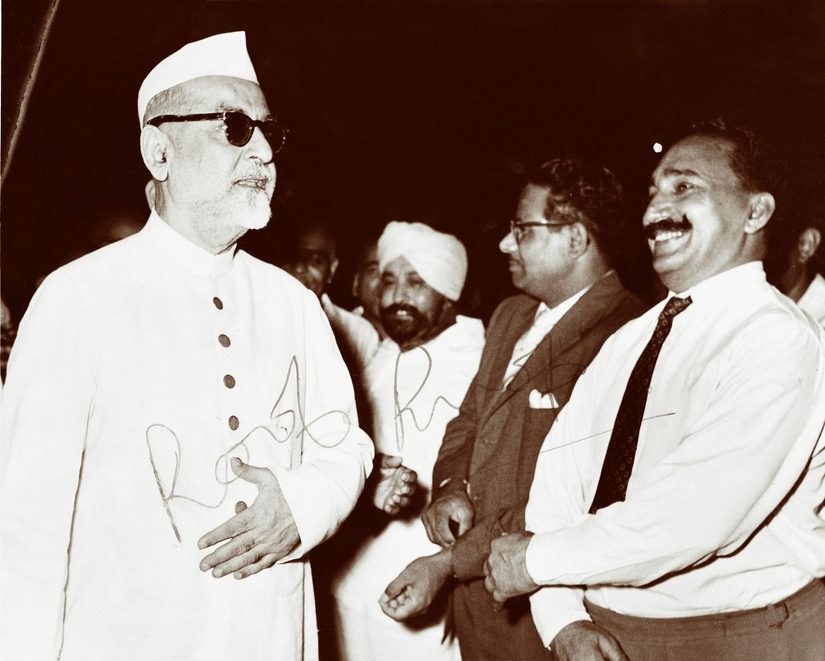
The history of Moti Mahal began in Peshawar in 1920.
Kundan Lal Gujral developed his culinary career in Peshawar, where the foundations of the Moti Mahal story were established. His experiments with the traditional clay tandoor helped shape a style of cooking that would later become closely associated with Indian cuisine around the world.
The cooking was distinctive. Food was prepared using intense heat, fire and the traditional tandoor, creating the smoky flavours and textures that would eventually become hallmarks of North Indian cuisine.
The Moti Mahal story is also associated with iconic dishes including:
- Tandoori Chicken
- Butter Chicken
- Dal Makhani
- Tandoori Kebabs
- Paneer Tikka
- Chicken Pakora
- Burra Kebab
These dishes eventually travelled far beyond the restaurant where they were created and became part of the international perception of Indian food.
From Peshawar to Delhi: Moti Mahal After Partition
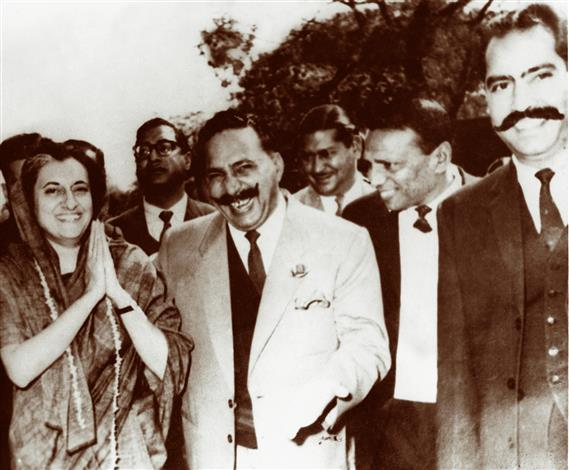
The Partition of India in 1947 changed the course of millions of lives, including that of Kundan Lal Gujral.
After leaving Peshawar, Kundan Lal Gujral came to Delhi with his family and began rebuilding his culinary journey in a new city.
In 1947, Moti Mahal was re-established in Delhi, marking the beginning of a new chapter for the restaurant. The brand’s own history records the establishment of Moti Mahal in Daryaganj during this period.
Delhi became the new home of Moti Mahal.
The restaurant introduced diners to the smoky aroma of tandoori cooking, the richness of Butter Chicken, the comfort of Dal Makhani and the distinctive flavours of Indian kebabs.
What had begun in Peshawar now had a new audience in independent India.
Moti Mahal gradually became more than a place to eat.
It became an institution.
How Moti Mahal Helped Shape Indian Restaurant Culture
The Indian restaurant industry has changed significantly over the decades. Restaurants today operate across cities, countries and digital platforms, while Indian cuisine has become increasingly visible on the global dining scene.
Moti Mahal was part of this transformation.
The brand demonstrated that traditional Indian food could be presented as an organised restaurant experience while maintaining the character of its cuisine. Its association with dishes such as Butter Chicken, Tandoori Chicken and Dal Makhani helped these foods become widely recognised beyond their original regional context.
Moti Mahal’s own brand history describes the restaurant as an institution that helped place Indian cuisine on the world culinary map.
Over the years, its restaurants have welcomed diners from different backgrounds, helping introduce generations of customers to North Indian flavours and tandoori cooking.
The legacy of Kundan Lal Gujral therefore extends beyond individual recipes.
It is also about the idea that Indian cuisine could become a globally recognised restaurant category.
Kundan Lal Gujral: The Pioneer Behind Moti Mahal
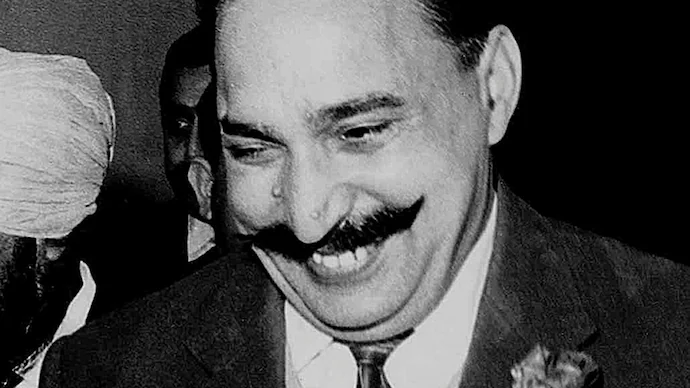
At the heart of the Moti Mahal story is Kundan Lal Gujral.
His contribution to Indian cuisine is closely linked with the evolution of tandoori cooking and the popularisation of dishes that are now recognised around the world.
The traditional tandoor became an important part of his culinary approach. By using intense heat and innovative cooking techniques, he developed a style that gave Indian food a distinctive identity.
The Moti Mahal story describes Kundan Lal Gujral as the man who transformed the traditional village tandoor into a powerful culinary tool and helped introduce tandoori cuisine to a much wider audience.
His legacy can still be seen in the dishes that remain central to the Moti Mahal identity today.
Monish Gujral and the Modern Moti Mahal Legacy
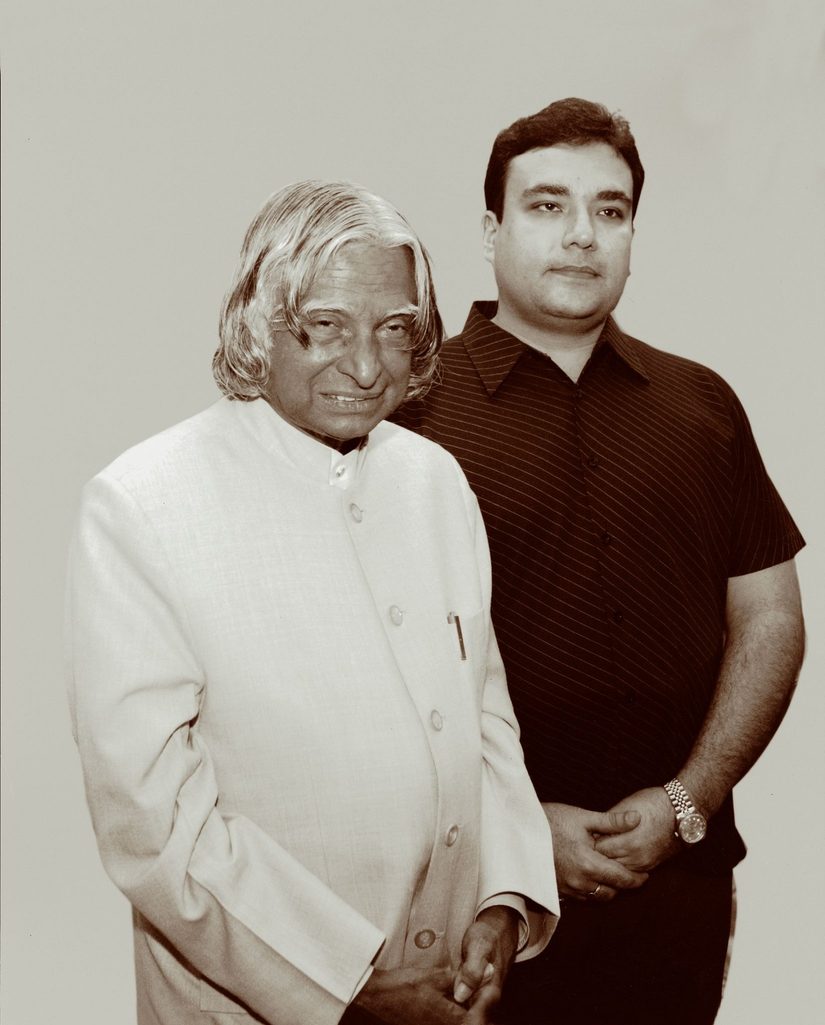
The next important chapter in the story belongs to Monish Gujral, grandson of Kundan Lal Gujral.
Monish Gujral has played a significant role in taking the Moti Mahal legacy into the modern Indian restaurant industry.
Today, he is associated with the expansion and development of the Moti Mahal brand, while also working as a chef, food writer, author and culinary personality.
The Moti Mahal brand describes Monish Gujral as a key figure in taking the company from its Delhi roots towards a broader international presence.
His role is not simply about expanding a restaurant business.
It is also about preserving a family culinary legacy while making it relevant to today’s diners.
That means maintaining the recipes, flavours and traditions associated with Moti Mahal while adapting the brand to the changing expectations of the modern restaurant industry.
Monish Gujral: A Voice in Indian Food Culture
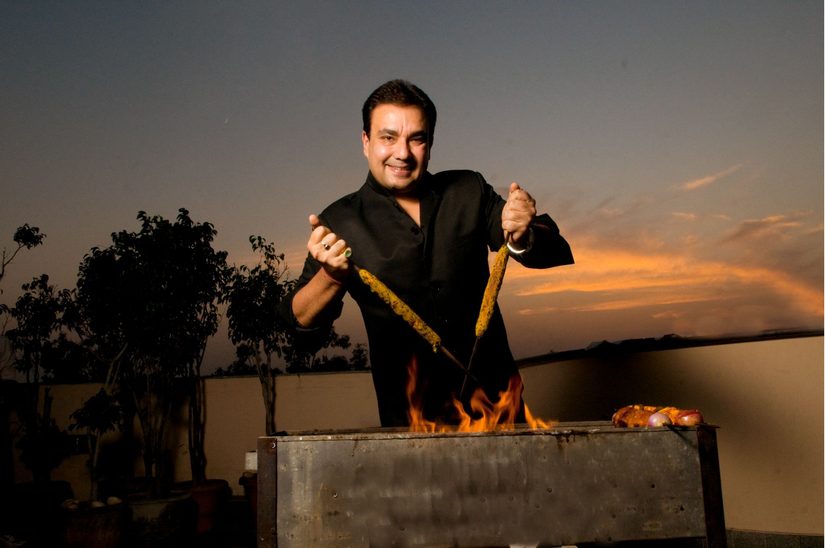
Monish Gujral has also contributed to Indian food culture beyond the restaurant business.
As a chef, food writer, columnist, blogger and cookbook author, he has documented Indian food and the stories surrounding it.
His work has helped bring the Moti Mahal story beyond the restaurant table and into books, media and wider food conversations.
This is important because culinary heritage is not preserved only through recipes.
It is preserved through stories, people, restaurants, memories and generations.
A recipe can tell the story of a family.
A restaurant can tell the story of a city.
And a culinary institution can become part of the story of a country.
Moti Mahal and the Global Journey of Indian Cuisine
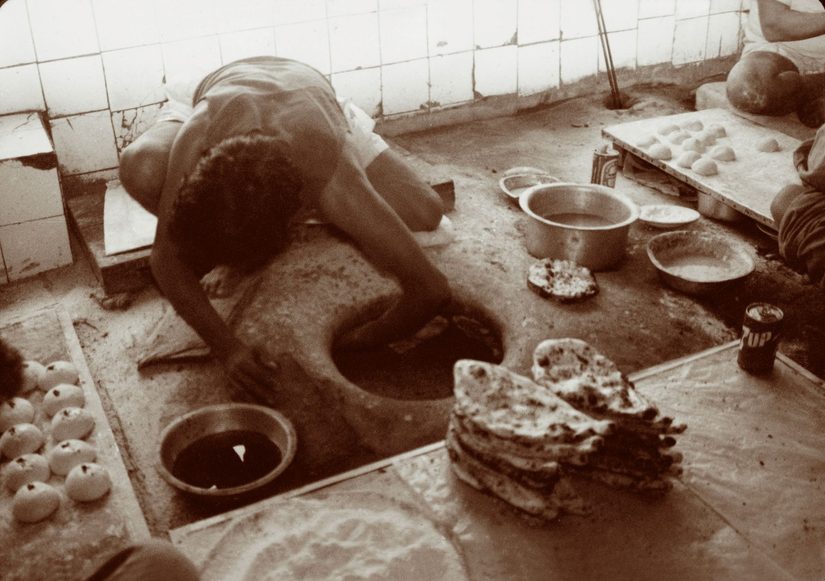
The journey of Moti Mahal reflects a much larger story—the global rise of Indian cuisine.
Indian food is now enjoyed in restaurants across continents, with dishes such as Butter Chicken, Tandoori Chicken and Dal Makhani recognised by diners far beyond India.
Moti Mahal has been part of that journey.
From its beginnings in Peshawar to its establishment in Delhi and its subsequent expansion, the brand has carried elements of Indian culinary tradition to new audiences.
The significance of this journey is not simply about the popularity of individual dishes.
It is about demonstrating the depth and versatility of Indian cuisine.
India has hundreds of regional culinary traditions, different cooking techniques, ingredients and food cultures. The popularity of North Indian and tandoori cuisine has helped create international interest in the wider world of Indian food.
Moti Mahal became one of the names associated with that international journey.
Moti Mahal: From a Restaurant to a Global Brand
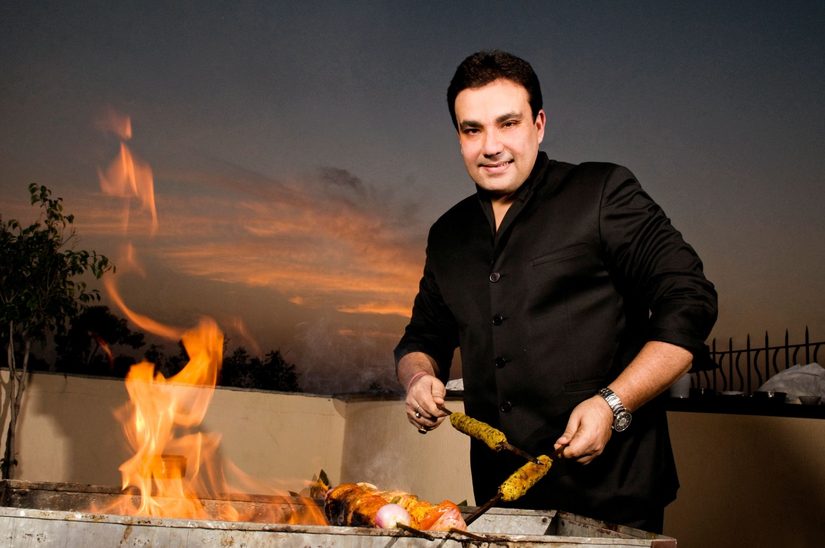
What started as a single restaurant eventually evolved into a larger restaurant brand.
Today, Moti Mahal has restaurant locations across numerous Indian states and cities, with its official locations directory listing restaurants and associated establishments across Delhi/NCR, Gujarat, Haryana, Uttar Pradesh, Punjab, Uttarakhand, Himachal Pradesh, Bihar, Madhya Pradesh, Jharkhand, Odisha, West Bengal, Assam, Arunachal Pradesh, Maharashtra, Karnataka and other regions, as well as international locations.
The brand’s expansion also reflects a broader change in the Indian restaurant industry.
Restaurant brands are no longer limited to one neighbourhood or one city. They can take a regional culinary identity and introduce it to customers across the country and internationally.
Moti Mahal’s journey is an example of how heritage and modern restaurant expansion can exist together.
Moti Mahal and the Indian Restaurant Industry
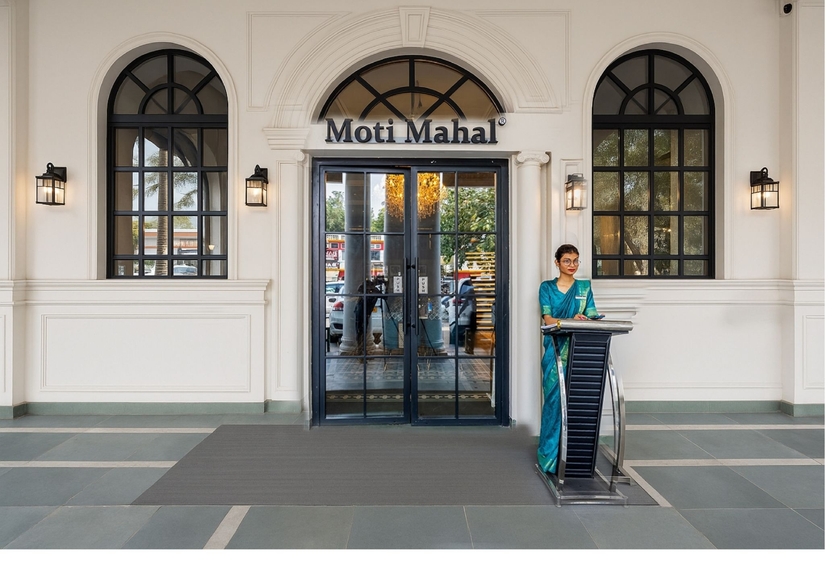
The story of Moti Mahal is particularly relevant when looking at the growth of the Indian restaurant industry.
The brand represents several important stages in that evolution:
Traditional cooking: The use of the tandoor and traditional Indian cooking techniques.
Restaurant innovation: Turning those techniques into dishes and experiences that could be consistently served to diners.
Brand building: Creating recognition around a restaurant name and culinary identity.
National expansion: Taking the Moti Mahal experience beyond its original Delhi base.
International reach: Introducing Indian culinary traditions to audiences outside India.
This evolution shows how a restaurant can grow from a local institution into a recognised culinary brand without losing the importance of its origins.
Moti Mahal’s Culinary Heritage
Food is at the centre of the Moti Mahal identity.
The brand remains strongly associated with Butter Chicken, Tandoori Chicken and Dal Makhani, dishes that have become staples of North Indian restaurant menus around the world.
But the significance of these dishes goes beyond their popularity.
They represent a particular approach to Indian cooking—one that combines spices, slow cooking, fire, smoke, rich sauces and the use of the traditional tandoor.
For Moti Mahal, preserving this culinary heritage is an important part of maintaining the identity of the brand.
A Legacy That Continues
More than a century after the establishment of Moti Mahal in Peshawar, the brand continues to evolve.
The restaurant industry has changed dramatically. Consumer preferences have changed. Restaurant formats have changed. Indian cuisine itself has become increasingly global.
Yet the fundamental idea behind Moti Mahal remains rooted in its culinary heritage.
Kundan Lal Gujral created the foundation.
Delhi gave Moti Mahal a new home in independent India.
Generations of the Gujral family carried the legacy forward.
Monish Gujral continues to take that legacy into the modern Indian restaurant industry.
The Moti Mahal story is therefore not simply a story about a restaurant.
It is a story of migration and reinvention.
It is a story of food and innovation.
It is a story of Indian hospitality.
It is a story of generations.
And it is a story of how Indian cuisine travelled from a traditional kitchen in Peshawar to dining tables around the world.
Moti Mahal Restaurant Locations

Looking for a Moti Mahal restaurant near you?
Moti Mahal currently has locations across multiple cities and states in India. The official Moti Mahal locations directory provides the latest restaurant addresses and locations.
Delhi & NCR
Moti Mahal restaurants are located across
- New Delhi, Noida
- Greater Noida
- Gurugram
including locations in Sarita Vihar, Mahipalpur, Sector 63 Noida, Gaur City 2, Palam Vihar and other areas.
Gujarat
Moti Mahal locations include
- Ahmedabad
- Anand
- Vapi
with restaurants and food-court locations listed on the official directory.
Haryana
Moti Mahal has locations in cities including
- Gurugram
- Faridabad
- Sonipat
- Karnal
- Hansi
Uttar Pradesh
Moti Mahal restaurants are present across several Uttar Pradesh cities, including
- Noida
- Greater Noida
- Lucknow
- Ghaziabad
- Prayagraj
- Meerut
- Saharanpur
- Jhansi
- Jaunpur others.
Punjab
Moti Mahal locations include
- Patiala
- Nabha
- Nawanshahr
- Bathinda
- Hoshiarpur
- Abohar
among other locations.
Uttarakhand & Himachal Pradesh
Moti Mahal locations can also be found in
- Dehradun
- Mussoorie
- Almora
- Mandi
- Rampur Bushahr
Madhya Pradesh
Moti Mahal locations include
- Bhopal
- Rewa
- Satna
- Indore
- other locations
listed in the official directory.
Bihar & Jharkhand
The brand has locations across cities including
- Patna
- Muzaffarpur
- Bettiah
- Motihari
- Purnia
- Ranchi
- Jamshedpur
- Deoghar
- Sahibganj
Odisha, West Bengal & Assam
Moti Mahal locations include
- Rourkela
- Kolkata
- Siliguri
- Guwahati
- Dibrugarh
among others.
Arunachal Pradesh
Moti Mahal has locations across
- Itanagar
- Naharlagun
- Nirjuli
- Pasighat
Maharashtra & Karnataka
The official directory lists Moti Mahal locations in
- Amravati
- Pune
as well as multiple locations in Bengaluru.
International Locations
Moti Mahal’s official locations directory also lists an international presence in the Maldives.
For the complete and updated list of addresses, visit the official Moti Mahal Locations page.
Experience the Legacy of Moti Mahal

From Peshawar in 1920 to Delhi in 1947 and its growing presence across India and international markets, the Moti Mahal story is one of the enduring stories of Indian cuisine.
Kundan Lal Gujral’s culinary innovations helped establish dishes that would become recognised around the world.
Monish Gujral continues to carry that heritage into a new generation.
And Moti Mahal continues to stand at the intersection of Indian food, hospitality, culinary heritage and restaurant entrepreneurship.
Moti Mahal is more than a restaurant.
It is a culinary legacy.
It is a story of innovation.
It is a story of India.
And it is a legacy that continues to put the flavours of Indian cuisine on the world culinary map.
Moti Mahal — a legacy of taste, trust and tradition since 1920.