
Restaurant Franchise vs. Standalone Business: What’s Right for You?
Starting a restaurant is one of the most exciting business decisions you can make. Food connects people. It creates memories. It builds communities. But before you begin, there’s a major decision that shapes everything that follows:
Should you start a standalone restaurant from scratch, or invest in a restaurant franchise?
There’s no one-size-fits-all answer. The right choice depends on your risk appetite, experience level, long-term vision, and how much support you want behind you. Let’s break this down in a practical and honest way.
The Standalone Restaurant: Full Freedom, Full Responsibility
Opening a standalone restaurant means building everything yourself — brand name, menu, pricing, marketing, suppliers, interiors, and systems.
What makes it attractive?
Creative freedom.
You control:
- The cuisine concept
- The brand identity
- The pricing strategy
- The customer experience
- Expansion plans
For passionate chefs and entrepreneurs who want to create something entirely personal, this route feels fulfilling.
But here’s the reality.
With full freedom comes full uncertainty.
You must:
- Build customer trust from zero
- Spend heavily on marketing
- Experiment with pricing and menu engineering
- Create kitchen SOPs through trial and error
- Absorb losses during the learning phase
Most standalone restaurants struggle not because of bad food, but because of operational gaps, inconsistent systems, or weak brand recall.
Starting alone can be rewarding — but it is also statistically riskier.
The Restaurant Franchise: Structured Growth with Brand Power
A franchise model works differently. You operate your own outlet, but under an established brand with defined systems.
Instead of inventing everything, you follow a proven structure.
What makes a franchise appealing?
You benefit from:
- Established brand recognition
- Pre-tested menu and pricing models
- Operational training
- Supplier networks
- Marketing frameworks
- Brand trust
Customers walk in already knowing what to expect.
That trust significantly reduces the time needed to build credibility.
Risk Comparison: The Silent Factor Most People Ignore
When people compare franchise vs standalone, they focus on freedom versus cost.
But the real difference lies in risk distribution.
In a standalone business:
All strategic risk sits on your shoulders.
In a franchise:
The brand has already absorbed years of experimentation. You inherit the learning curve without paying for all the mistakes.
This doesn’t eliminate risk — but it reduces unpredictable risk.
For first-time restaurant entrepreneurs, this difference matters greatly.
Financial Perspective: Investment vs Stability
Standalone restaurants often appear cheaper initially because there is no franchise fee.
However, hidden costs include:
- Brand building campaigns
- Trial marketing
- Menu R&D
- Supplier discovery
- Mistakes in pricing
- Early operational inefficiencies
Franchises involve structured investment — but they often provide:
- Cost predictability
- Standardized supply chains
- Proven pricing strategies
- Higher chances of stable early revenue
When evaluated long-term, the equation becomes more about stability than just starting cost.
Long-Term Growth: Scaling vs Surviving
If your goal is to open one passion project restaurant, standalone may suit you.
But if your goal is to:
- Build multiple outlets
- Create consistent revenue
- Grow across cities
- Establish brand value
Then working with an established franchise brand can accelerate that journey.
Scaling becomes easier when systems are already built.
Where Moti Mahal Franchise Fits In
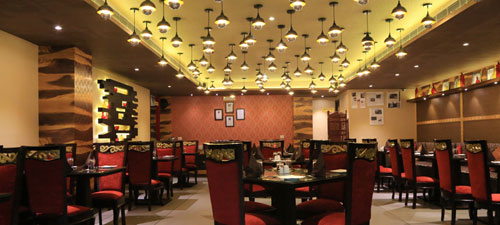
If you are evaluating franchise options, brand strength and legacy become critical.
Moti Mahal is not a trend-based food brand. It is a heritage name deeply associated with North Indian cuisine and iconic dishes.
This matters for two reasons:
- Customers already trust the name.
- The cuisine category has long-term demand across India and internationally.
Instead of building recognition from scratch, a Moti Mahal franchise allows you to operate under a name that carries decades of credibility.
The brand provides structured support in:
- Operational systems
- Recipe standardization
- Training
- Brand alignment
- Setup guidance
For entrepreneurs who want stability combined with strong brand recall, this creates a balanced entry into the restaurant industry.
So What’s Right for You?
Choose standalone if:
- You want total creative control
- You have deep industry experience
- You are comfortable absorbing early volatility
Choose franchise if:
- You want structured support
- You value brand trust
- You prefer reduced uncertainty
- You are focused on long-term scalability
The key is not which model is better — but which model aligns with your risk comfort and business goals.
Frequently Asked Questions (FAQs)
Is a restaurant franchise safer than a standalone business?
Franchises generally reduce unpredictable risks because they operate on tested systems and established brand recognition.
Does a franchise limit creativity?
Yes, to some extent. However, the trade-off is operational stability and brand strength.
Why do many first-time entrepreneurs choose franchises?
Because they provide training, structure, and reduce the learning curve in a competitive industry.
Is North Indian cuisine a stable investment category?
Yes. It has consistent demand across demographics and remains one of the most preferred dining categories.
Why consider Moti Mahal franchise specifically?
Because it combines heritage brand value with structured franchise systems, offering credibility and operational guidance.
Build Your Restaurant Journey with Confidence
Starting a restaurant is not just about food. It’s about systems, branding, customer psychology, and long-term stability.
If you are leaning toward the franchise route and want to partner with a legacy brand known for authenticity and recognition, Moti Mahal offers a structured opportunity.
Instead of starting alone, you can start with decades of brand trust behind you.
To explore franchise opportunities and understand how you can become part of the Moti Mahal legacy, visit:
Make a decision not just for today — but for sustainable growth in the years ahead.